
Buying a television in 2026 is a much more informed experience compared to a decade ago. Users now understand picture quality, connectivity, software ecosystems, refresh rates, audio output, and brand reliability better than ever.
As a result, the 32 inch smart LED price varies widely depending on a long list of technical and experiential factors. If you are planning to buy a compact TV for a bedroom, guest room, or small living space, it is useful to understand how these features contribute to pricing. This blog breaks down the main elements influencing pricing so buyers can make smarter decisions with full clarity.
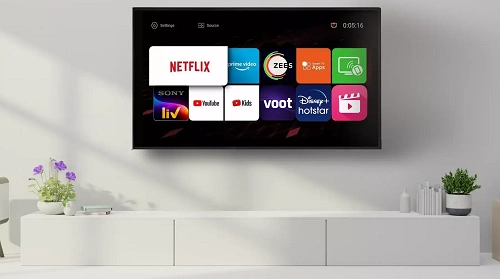
6 Key Factors That Affect Pricing of a 32 inch Smart LED TV
Here are the key performance-related features that play a major role in shaping the price of 32 inch smart LED TVs:
1. Screen Resolution and Picture Quality
Resolution is one of the most important elements determining the price of 32 inch smart LED TVs. In 2026, the market mainly offers HD-ready (1366×768) and Full HD (1920×1080) panels in the 32 inch category. HD panels work perfectly fine for smaller rooms and casual viewing, especially when paired with decent upscaling.
For example, an HD-ready 1366×768-resolution TV delivers clear visuals for streaming shows, sports, and movies. However, Full HD models cost more because they produce sharper, clearer images.
While many buyers assume higher resolution is always better, it depends largely on viewing distance. For typical bedroom viewing at 6–7 feet, HD panels still deliver satisfying performance. TVs with additional picture enhancements such as HDR, better brightness levels, stronger contrast ratios, or wider color gamuts will naturally influence the price as well.
2. Smart Operating System and App Ecosystem
A key reason why buyers pay attention to the price of 32 inch smart LED TVs is the software experience they offer. Smart TVs today run on operating systems that control app support, interface fluidity, performance, and regular updates. In 2026, the 32 inch segment includes TVs running Android TV, Google TV, proprietary Operating System (OS), and lightweight custom ecosystems.
For example, TVs that run a feature-rich OS like Google TV or Android with access to thousands of apps, built-in Chromecast, voice controls, and Google Assistant tend to be priced higher. This is why the software is a major driver in the price of 32 inch smart LED TVs.
Buyers who choose an Android smart TV 32 inch enjoy wider app access, regular patches and updates, and smoother smart integrations, which naturally places it above basic OS platforms in pricing.
3. Audio Output and Sound Design
Sound is often underestimated, but it plays an important role in the entertainment experience, especially in smaller rooms where external soundbars are not always necessary. Many 32 inch TVs come with 16W speakers that deliver adequate clarity for dialogues and everyday shows.
Pricing tends to increase when models offer additional audio enhancements, such as Dolby Audio or tuned speaker chambers. These improvements help deliver more immersive audio without adding extra devices, leading to slight price variations among 32 inch smart LED televisions.
4. Refresh Rate and Motion Handling
Refresh rate affects how smoothly a TV displays motion during action scenes or sports broadcasts. In the 32 inch category, 60 Hz remains standard. A refresh rate of 60 Hz is adequate for everyday streaming, YouTube content, live cricket matches, and casual gaming.
While higher refresh rate panels are more common in larger TVs, some premium 32 inch TVs may include motion interpolation or software-driven motion enhancements, which affect pricing marginally.
- Connectivity and Ports
Connectivity determines how versatile a TV is when connecting consoles, set-top boxes, streaming sticks, hard drives, or sound systems. A configuration featuring multiple HDMI and USB ports provides a balanced setup for most users. Multiple HDMI ports let gamers and streaming enthusiasts avoid constantly unplugging devices, improving convenience.
USB ports support media playback for photos, videos, and music, while Wi-Fi connectivity supports streaming and casting. Additional features like Bluetooth for wireless audio, dual-band Wi-Fi support, or HDMI ARC/eARC further influence the price of 32 inch smart LED TVs because they improve usability with modern home setups.
5. Build Quality and Design
Design elements also factor into the pricing equation. Slim bezels, wall-mount compatibility, sturdy stands, and a refined finish contribute to the premium feel of the device. Most 32 inch TVs are compact and lightweight, and when paired with higher build quality, they offer a sense of durability that appeals to buyers looking for long-term value. Thinner bezels create a more immersive viewing experience, and metal frames or enhanced thermal management systems may increase the cost.
Make an Informed Decision that Matches Budget Expectations
Prices of 32 inch smart TVs in 2026 depend on hardware specs, software features, connectivity, audio output, design standards, and after-sales support. Buyers should evaluate how each feature aligns with personal needs rather than defaulting to the highest or lowest price option.
When buyers understand these factors, the price of 32 inch smart LED TVs becomes easier to compare, helping them select the ideal TV that fits their viewing habits. Explore 32 inch smart TVs from electronic brands like BPL and choose a balance of performance, convenience, and everyday viewing comfort.

Santosh Kumar is a Professional SEO and Blogger, With the help of this blog he is trying to share top 10 lists, facts, entertainment news from India and all around the world.