
Indian cinema regularly produces films with budgets running into hundreds of crores, enormous promotional campaigns and some of the country’s biggest stars. Yet one of the most remarkable box-office stories of 2026 has come from almost the opposite direction.
Hanuman Ansh, a devotional biographical drama inspired by the life and spiritual journey of Neem Karoli Baba, was reportedly made for just ₹1.7 crore. It opened quietly, had no major Bollywood star to pull crowds and, at one stage, appeared to be disappearing from cinemas altogether.
Then something unusual happened.
Audiences began talking about the film. Shows started filling up. Exhibitors who had reduced screenings began bringing the movie back. Within weeks, Hanuman Ansh had crossed the ₹72-crore box-office milestone, turning a tiny production into one of the biggest sleeper hits of the year. The film continued growing even after reaching that figure.
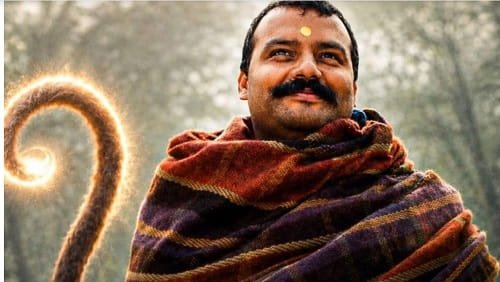
Hanuman Ansh: Key Details
| Detail | Information |
| Film | Hanuman Ansh |
| Release date | August 7, 2026 |
| Language | Hindi |
| Genre | Biographical devotional drama |
| Director | Vishal Chaturvedi |
| Reported budget | Around ₹1.7 crore; some reports round it to ₹2 crore |
| Lead actor | Shobhinaw Satyaa |
| Character | Neem Karoli Baba/Neeb Karori Baba |
| Other cast | Chandan Anand, Purnima Tiwari, Anil Rastogi, Gulshan Pandey and others |
| Producers | Ragini Sona, Vishal Chaturvedi, Anupriya Nagar and Namrata G. Singh |
| Production banners | Swambhu Media Network Pvt. Ltd. and Holy Cow Home Productions |
| India release | August 7, 2026 |
| International release announced | September 11, 2026 |
From a ₹10-Lakh Opening to a Box-Office Phenomenon
Nothing about the opening day suggested that Hanuman Ansh was about to become a major commercial success.
The film reportedly began its theatrical journey with only 355 shows, around 10% occupancy and an opening-day collection of approximately ₹10 lakh. During its first two weeks, it managed only about ₹1.48 crore.
For most movies, numbers like these would normally mean the end of the theatrical run.
That almost happened here too.
Director Vishal Chaturvedi said the film initially opened in around 250 theatres, but within a week that number had fallen to just 25 theatres. By the fourth week, however, audience demand had pushed it into roughly 1,200 screens.
The turnaround became dramatic from around the film’s third weekend.
Its third week delivered approximately ₹10.40 crore, far more than the movie had earned during its early run. By Day 27, it was playing across more than 7,000 shows and earned around ₹7.25 crore on that day alone.
Its India gross had reached approximately ₹72.32 crore by this stage.
The fascinating part was that the movie was getting stronger as it grew older—exactly the reverse of the normal box-office pattern.
How a ₹1.7-Crore Film Defeated the Usual Box-Office Formula
Big commercial releases generally earn their largest amounts during the opening weekend. Marketing creates awareness before release, fans rush to cinemas immediately and collections gradually decline afterward.
Hanuman Ansh followed a completely different curve.
It started almost unnoticed.
Then people who watched it began recommending it to relatives, friends and followers online. Videos and audience reactions circulated on social media. Devotional audiences in particular began embracing the movie.
By the fourth week, some evening and night screenings were reporting strikingly strong occupancy. Director Chaturvedi attributed the success primarily to Neem Karoli Baba’s story, the film’s music, the performances and audience word-of-mouth rather than an expensive publicity campaign.
In certain places, screenings reportedly sold out extremely quickly. The director recalled an Aligarh screening becoming houseful within about 15 minutes after additional shows were arranged.
What began as an obscure devotional release had effectively become an audience-led theatrical movement.
What Is Hanuman Ansh About?
Hanuman Ansh is inspired by the life of Neem Karoli Baba, widely known among followers as Maharaj-ji.
The narrative traces the spiritual transformation of a young boy dealing with personal loss who gradually turns toward devotion and eventually becomes the spiritual figure remembered as Neem Karoli Baba.
Rather than treating his story like a conventional celebrity biopic, the movie concentrates on ideas associated with Maharaj-ji’s teachings—devotion to Hanuman, service, compassion, faith, feeding others and unconditional love.
Shobhinaw Satyaa portrays Neem Karoli Baba, while Purnima Tiwari plays his wife, Rambeti Sharma. Chandan Anand appears as Dr Ram Nandan Bhosale, while Anil Rastogi and Gulshan Pandey are among the other members of the supporting cast.
Shobhinaw Satyaa Wasn’t Originally Supposed to Play Neem Karoli Baba
One of the more interesting stories surrounding the production concerns its lead actor.
Shobhinaw Satyaa reportedly became involved with Hanuman Ansh while working behind the scenes as an assistant director. Director Vishal Chaturvedi had originally considered another performer for Neem Karoli Baba.
Circumstances changed, however, and Satyaa eventually stepped into the central role.
The actor, who has an acting background that includes training at FTII and previous screen work, suddenly found himself carrying a feature film centred almost entirely around one of modern India’s best-known spiritual figures.
The performance has now made Satyaa one of the most discussed new faces associated with the sleeper hit.
The Director Had Been Thinking About the Story for Nearly 20 Years
For Vishal Chaturvedi, Hanuman Ansh was not simply a project conceived after devotional cinema became commercially fashionable.
The filmmaker has said that Neem Karoli Baba’s story had stayed with him for nearly two decades.
Chaturvedi, a doctor-turned-filmmaker making his directorial debut, approached the film with an unusually personal sense of devotion.
He later revealed that he waived his directorial fee, followed a fruit-based diet for several months during the production period, kept the film set vegetarian and recited the Hanuman Chalisa regularly during shooting.
Those choices also explain why he has repeatedly described the film’s eventual success less as a conventional commercial achievement and more as something deeply personal and spiritual.
The 21-Year-Old Producer Behind the Film
Another remarkable part of the Hanuman Ansh story is producer Anupriya Nagar, who was only 21 when the film became a major box-office success.
According to reports, Nagar studied economics at the University of Bath in the UK. Her interest in Neem Karoli Baba developed unexpectedly while learning about Steve Jobs and his spiritual journey in India.
That curiosity led her deeper into Neem Karoli Baba’s life and teachings. She reportedly spent about a year researching the subject before becoming closely involved with the film.
The success has already encouraged plans to expand the story further, with discussions of additional Hanuman Ansh instalments.
The Film Was Rejected by an OTT Platform
Perhaps the most striking irony in the movie’s journey is what happened before its theatrical success.
Chaturvedi has said that he approached a major streaming platform with the Neem Karoli Baba story but the project was rejected.
The director later said that rejection itself was not unusual—filmmakers routinely face rejection—but he was disturbed by the manner in which the project was dismissed and described the experience as derogatory.
The project nevertheless moved ahead.
Now, after its extraordinary theatrical performance, interest has naturally shifted toward where the film will eventually stream. As of September 5, 2026, a confirmed OTT platform and streaming date had not been formally announced.
Why Neem Karoli Baba Has Such a Global Following
The film’s appeal also comes from the extraordinary international reputation of the man at its centre.
Neem Karoli Baba, born Lakshman Narayan Sharma, became widely known for his devotion to Lord Hanuman and teachings centred on love, service and compassion.
His influence eventually extended far beyond India.
Apple co-founder Steve Jobs travelled to India during the 1970s and visited the Kainchi Dham ashram seeking spiritual direction, although Neem Karoli Baba had died before Jobs arrived.
Years later, Meta founder Mark Zuckerberg also spoke publicly about visiting the ashram following advice from Jobs during a difficult period in Facebook’s early development.
The saint’s international following has also been associated with figures such as Julia Roberts, while in India, cricketer Virat Kohli and actor Anushka Sharma have visited Kainchi Dham.
That global recognition gave Hanuman Ansh something unusual for such a modest Hindi production: a deeply Indian spiritual story with substantial international curiosity surrounding its central figure.
₹1.7 Crore to More Than ₹80 Crore—and Still Growing
The most important thing about the ₹72-crore headline is that it quickly became outdated.
After reaching approximately ₹72 crore in gross collections around Day 27, the movie continued rising dramatically. By Day 29, reports put its India net collection at around ₹82.88 crore. Other reports placed its gross collections significantly higher.
That makes the return on its reported ₹1.7-crore production budget extraordinary.
Even comparing the ₹72-crore milestone alone with the reported budget means theatrical collections were more than 42 times the film’s production cost. Naturally, box-office gross is not the same thing as producer profit—cinema owners, distributors, taxes and other expenses must be accounted for—but the scale of the commercial performance remains exceptional.
And the theatrical story is not finished.
An international release of Hanuman Ansh has been announced for September 11, 2026, potentially giving the movie access to the large overseas audience already familiar with Neem Karoli Baba and his teachings.
A Sleeper Hit That Almost Disappeared
Perhaps the most remarkable statistic surrounding Hanuman Ansh is not ₹72 crore, ₹80 crore or even whatever lifetime figure the film ultimately reaches.
It is the journey from 250 theatres to roughly 25 theatres—and then back to around 1,200 screens.
That trajectory shows just how close the movie came to disappearing before audiences discovered it.
A ₹1.7-crore film without major stars, backed by limited marketin

Satyakam is a seasoned professional content writer with over 15 years of experience in creating high-quality, research-driven content for digital platforms. He specialises in business, finance, banking, law, technology, and informational blogs.