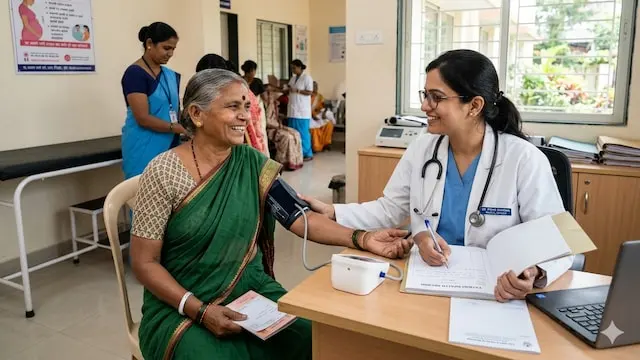
India has taken a significant step in its fight against dengue fever with the approval of Qdenga, a dengue vaccine developed by Japanese pharmaceutical company Takeda. This landmark decision marks the first time a dengue vaccine has been approved in India, offering new hope for millions of people living in regions where dengue outbreaks occur every year.
Dengue has long been one of India’s most pressing public health challenges, particularly during the monsoon and post-monsoon seasons. With increasing urbanization, changing climate patterns, and expanding mosquito habitats, the disease continues to affect lakhs of people annually. The approval of Qdenga is expected to strengthen preventive healthcare efforts and reduce the burden of severe dengue cases across the country.
What Is Qdenga?
Qdenga is a dengue vaccine developed by Japanese drugmaker Takeda. It is designed to protect against all four dengue virus serotypes (DENV-1, DENV-2, DENV-3, and DENV-4), making it a broad-spectrum vaccine.
Unlike earlier dengue vaccines that had limitations regarding previous dengue infections, Qdenga has been developed for wider use based on extensive international clinical trials. The vaccine has already been approved in several countries and regions, including parts of Europe, Latin America, and Asia, before receiving approval in India.
The vaccine is administered in a two-dose schedule, with the second dose given three months after the first.

Why India’s Approval Is Significant
India records one of the world’s highest numbers of dengue infections each year. States such as Maharashtra, Karnataka, Tamil Nadu, Kerala, Delhi, Uttar Pradesh, and West Bengal frequently report seasonal outbreaks.
The approval of Qdenga represents a major advancement because:
- It is the first dengue vaccine authorized for use in India.
- It provides protection against all four dengue virus strains.
- It has the potential to reduce hospitalizations caused by severe dengue.
- It supports India’s long-term disease prevention strategy rather than relying solely on mosquito control.
Public health experts believe vaccination, combined with vector control and public awareness, could significantly reduce the country’s dengue burden over time.
How Dengue Affects India
Dengue is a viral disease transmitted through the bite of infected Aedes aegypti mosquitoes. Symptoms typically include:
- High fever
- Severe headache
- Muscle and joint pain
- Skin rash
- Nausea and vomiting
- Pain behind the eyes
While many patients recover within a week, some develop severe dengue, which can lead to internal bleeding, shock, organ failure, and even death if not treated promptly.
The disease places tremendous pressure on hospitals during peak transmission seasons, making preventive measures increasingly important.
Clinical Performance of Qdenga
Qdenga has undergone extensive international clinical evaluation involving thousands of participants from multiple countries.
Clinical studies have shown that the vaccine can:
- Reduce the risk of symptomatic dengue infection.
- Lower the chances of hospitalization due to severe dengue.
- Provide protection against multiple dengue virus serotypes.
- Demonstrate an acceptable safety profile across different age groups.
Health authorities will continue monitoring its long-term effectiveness through post-approval surveillance programs.
Who May Be Eligible for the Vaccine?
The exact rollout strategy in India will depend on recommendations from health authorities and immunization experts.
Eligibility may vary based on:
- Age group
- Medical history
- Local health guidelines
- Risk of dengue exposure
Initially, vaccination may focus on individuals living in high-risk regions where dengue outbreaks occur frequently.
Healthcare providers will determine who should receive the vaccine once official implementation guidelines are released.
What This Means for Public Health
The approval of Qdenga is expected to complement—not replace—existing dengue prevention measures.
People will still need to:
- Prevent mosquito breeding around homes.
- Use mosquito repellents.
- Wear protective clothing.
- Install window screens and mosquito nets.
- Eliminate stagnant water from containers, coolers, and construction sites.
Vaccination works best when combined with effective mosquito control programs and public awareness campaigns.
Challenges Ahead
Although the approval is a major achievement, successful implementation will require careful planning.
Some challenges include:
- Ensuring sufficient vaccine supply across India.
- Maintaining cold-chain storage and distribution.
- Educating the public about vaccine benefits.
- Identifying priority populations.
- Making the vaccine affordable and accessible.
Government agencies, healthcare providers, and vaccine manufacturers will need to work together to ensure successful nationwide adoption.
Future Outlook
The approval of Takeda’s Qdenga marks the beginning of a new chapter in India’s fight against dengue. As vaccination programs expand and more real-world data become available, the vaccine could play a vital role in reducing disease transmission, hospital admissions, and dengue-related deaths.
Combined with improved sanitation, mosquito control initiatives, and greater public awareness, Qdenga has the potential to significantly strengthen India’s public health infrastructure against one of its most persistent vector-borne diseases.
Conclusion
Takeda’s Qdenga becoming the first dengue vaccine approved in India is a landmark achievement for both healthcare and disease prevention. While vaccination alone cannot eliminate dengue, it adds a powerful new tool to India’s existing prevention strategy. As implementation plans unfold, millions of people in dengue-prone areas may soon have access to an additional layer of protection against this potentially life-threatening disease. With continued government support, responsible public participation, and integrated mosquito control efforts, India is better positioned than ever to reduce the impact of dengue in the years ahead.

Satyakam is a seasoned professional content writer with over 15 years of experience in creating high-quality, research-driven content for digital platforms. He specialises in business, finance, banking, law, technology, and informational blogs.