Freezing is one of the easiest and most effective ways to preserve food for weeks or even months. When done correctly, it helps maintain the taste, texture, and nutritional value of many foods while reducing waste and saving money. However, improper freezing can lead to freezer burn, loss of flavor, and poor texture.
In this guide, you’ll learn how to freeze food without losing quality, the best practices to follow, and common mistakes to avoid.
Why Freeze Food?
Freezing slows down the growth of bacteria, mold, and yeast by keeping food at very low temperatures. While freezing does not kill all microorganisms, it prevents them from multiplying, making food safe to store for extended periods.
Some key benefits of freezing food include:
- Reduces food waste
- Saves money by preserving leftovers
- Allows bulk buying of groceries
- Helps with meal preparation
- Maintains most nutrients when done properly
Choose Fresh Food for Freezing
The quality of frozen food depends on the quality of the food before freezing.
For the best results:
- Freeze fruits and vegetables when they are fresh.
- Freeze meat, poultry, and seafood before their use-by date.
- Store leftovers in the freezer within two hours of cooking.
- Avoid freezing food that has already started to spoil.
Remember, freezing preserves quality—it does not improve poor-quality food.
Use Proper Packaging
One of the biggest reasons food loses quality is exposure to air.
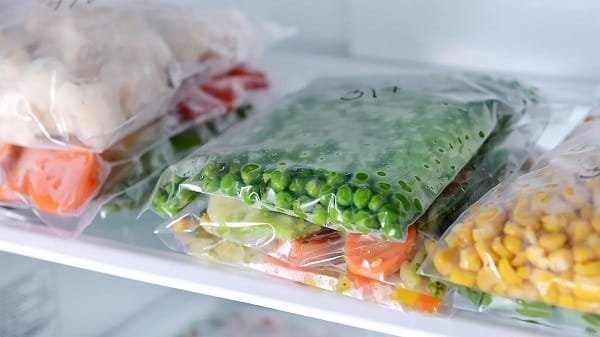
Use freezer-safe packaging such as:
- Heavy-duty freezer bags
- Airtight plastic containers
- Vacuum-sealed bags
- Freezer-safe aluminum foil
- Plastic freezer wrap
Remove as much air as possible before sealing. Less air means less chance of freezer burn.
Cool Food Before Freezing
Never place very hot food directly into the freezer.
Instead:
- Allow cooked food to cool slightly.
- Divide large portions into smaller containers.
- Refrigerate if needed until no longer hot.
- Freeze as soon as it has cooled.
This helps maintain a stable freezer temperature and protects other frozen foods.
Freeze in Small Portions
Smaller portions freeze faster than large containers.
Benefits include:
- Better food quality
- Faster thawing
- Easier meal planning
- Less food waste
For example, instead of freezing a large pot of soup, divide it into single-serving containers.
Label Everything
Always label frozen food with:
- Food name
- Freezing date
- Quantity (optional)
This makes it easier to use older items first and avoid forgotten food sitting in the freezer for months.
Maintain the Right Freezer Temperature
The ideal freezer temperature is 0°F (-18°C) or lower.
Keeping your freezer at this temperature:
- Preserves food quality
- Prevents bacterial growth
- Extends storage life
Avoid opening the freezer door frequently, as temperature changes can affect food quality.
Blanch Vegetables Before Freezing
Most vegetables should be blanched before freezing.
Blanching involves briefly boiling vegetables and then cooling them immediately in ice water.
This process:
- Preserves color
- Maintains texture
- Retains nutrients
- Slows enzyme activity that causes spoilage
Vegetables commonly blanched include:
- Broccoli
- Green beans
- Carrots
- Peas
- Cauliflower
Freeze Fruits Correctly
Many fruits freeze well without much preparation.
Tips include:
- Wash and dry thoroughly.
- Remove stems, pits, or cores.
- Slice larger fruits.
- Freeze berries on a tray before transferring them to freezer bags to prevent sticking together.
Some fruits may become softer after thawing, making them ideal for smoothies, baking, or desserts.
Avoid Freezer Burn
Freezer burn happens when food loses moisture because of air exposure.
Signs include:
- Dry patches
- White or gray spots
- Tough texture
- Reduced flavor
To prevent freezer burn:
- Use airtight packaging.
- Remove excess air.
- Keep the freezer at a constant temperature.
- Don’t store food longer than recommended.
Although freezer-burned food is generally safe to eat, its quality is significantly reduced.
Know How Long Food Lasts
Freezing keeps food safe for a long time, but quality gradually declines.
General storage guidelines include:
- Meat: 4–12 months
- Chicken: Up to 12 months
- Fish: 2–6 months
- Bread: 2–3 months
- Vegetables: 8–12 months
- Fruits: 8–12 months
- Soups and stews: 2–3 months
- Cooked rice: About 1 month
Using food within these periods helps maintain the best taste and texture.
Thaw Food Safely
Proper thawing is just as important as proper freezing.
Safe thawing methods include:
- In the refrigerator overnight
- In cold water (changing the water every 30 minutes)
- Using the microwave’s defrost setting
- Cooking directly from frozen when appropriate
Avoid thawing food at room temperature, as bacteria can multiply quickly.
Foods That Don’t Freeze Well
Some foods lose their texture after freezing.
Examples include:
- Lettuce
- Cucumbers
- Raw potatoes
- Cream-based sauces
- Mayonnaise
- Yogurt (may separate)
- Fried foods (can become soggy)
These foods are generally best enjoyed fresh.
Common Freezing Mistakes
Avoid these common errors:
- Freezing spoiled food
- Overfilling containers
- Leaving air inside freezer bags
- Forgetting labels
- Repeatedly thawing and refreezing food
- Keeping food in the freezer for too long
Following proper freezing techniques can significantly improve food quality.
Tips for Better Food Quality
To get the most from your freezer:
- Organize food by category.
- Practice “first in, first out” (FIFO).
- Keep an inventory list.
- Freeze meal-sized portions.
- Vacuum seal foods for longer storage.
- Clean the freezer regularly.
These simple habits help keep your frozen foods fresh and reduce waste.
Conclusion
Freezing food is an excellent way to extend shelf life, reduce waste, and simplify meal planning. The key to preserving quality is using fresh ingredients, proper packaging, the correct freezer temperature, and safe thawing methods. By following these best practices, you can enjoy delicious, nutritious frozen foods that taste almost as good as when they were first prepared.
Frequently Asked Questions (FAQs)
Q: Does freezing food reduce its nutritional value?
A: Most nutrients are well preserved during freezing. In some cases, frozen fruits and vegetables retain nutrients better than fresh produce stored for several days.
Q: Can I refreeze thawed food?
A: You can refreeze food that has been thawed safely in the refrigerator, although its texture and quality may decline.
Q: What is freezer burn?
A: Freezer burn occurs when food is exposed to air, causing moisture loss and dry, discolored patches. While the food is generally safe to eat, its flavor and texture may be affected.
Q: Can I freeze cooked meals?
A: Yes. Soups, curries, casseroles, cooked rice, and pasta dishes freeze well when cooled properly and stored in airtight containers.
Q: What is the best container for freezing food?
A: Freezer-safe airtight containers, heavy-duty freezer bags, and vacuum-sealed bags are among the best options for protecting food quality during freezing.

Santosh Kumar is a Professional SEO and Blogger, With the help of this blog he is trying to share top 10 lists, facts, entertainment news from India and all around the world.