If you have ever sat down for a large family dinner in India, you know that the meal doesn’t actually end when the plates are cleared. There is this unwritten final chapter involving a small bowl or a packet being moved around the table. Long before it became a branded experience, the act of eating “mukhwas” or mouth freshener was a fragmented tradition. Every household had its own mix of fennel seeds, dry dates, and melon seeds. However, the DS Group saw something in that tradition that everyone else seemed to overlook: the potential for a unified, hygienic, and portable experience.
When pass pass was launched in the late 1990s, it didn’t just introduce a product; it tapped into a very specific Indian emotion. The name itself was a stroke of genius. It wasn’t just a brand name; it was a call to action. It mirrored the physical movement of the packet from one hand to another, turning a solitary habit into a social ritual.
A Shift from the Unorganized to the Organized
Before the late 90s, if you wanted a mouth freshener, you either had it at home or you picked up a pinch of fennel and sugar at a restaurant counter. There was no “standard” taste you could rely on while travelling or at the office. The DS Group utilised their deep expertise in spices and aromas, the same foundation that built Catch and Rajnigandha, to create a blend that felt familiar but was consistently high-quality.
By packaging these traditional ingredients into small, accessible sachets and larger multi-serve packs, they moved mouth fresheners out of the kitchen pantry and into the shirt pockets and handbags of millions. It was a practical solution to an old habit. Suddenly, you didn’t need a silver box on a dining table to offer someone a refreshing finish to a meal. You just needed to “pass” a packet.
The Psychology of Sharing
There is a reason why the brand’s early communication focused so heavily on togetherness. In the Indian context, sharing food is a primary way of showing affection and building community. By positioning pass pass as something that is meant to be shared, the DS Group managed to bypass the usual barriers of individual consumption.
It is interesting to think about how this influenced our social cues. Offering a mouth freshener is often a conversation starter or a way to signal that a meeting has reached a relaxed conclusion. It’s a small gesture that carries a lot of weight. The brand didn’t try to change the culture; it simply gave the culture a more convenient tool to express itself.
Flavor as a Anchor for Memory
One of the reasons the brand has endured for over two decades is the specific texture and taste profile of the original mix. It isn’t just about minty freshness. It’s a complex combination of sweet, crunchy, and aromatic elements like dates, fennel, and coriander seeds.
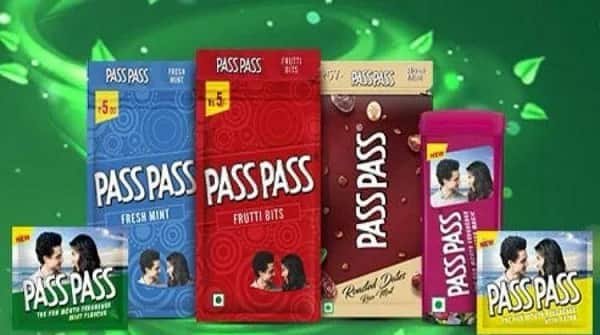
Over the years, they have experimented with various versions—like the “Meetha” or “Frutti” variants—to cater to younger audiences who might want something a bit more candy-like. Yet, the core essence remains rooted in that traditional herbal blend. This consistency is a hallmark of how the DS Group operates. They understand that while packaging and marketing must evolve, the fundamental “soul” of the product—the taste that reminds you of home—must never change.
Beyond the Dinner Table
As lifestyle habits changed in India, so did the role of the mouth freshener. With the rise of “on-the-go” eating and quick office lunches, the need for a quick palate cleanser became even more pronounced. Pass pass found its way into car dashboards, office drawers, and even wedding favors.
It’s worth noting how the brand also stayed relevant by being conscious of modern preferences. They ensured the product remained vegetarian and used ingredients that resonated with the “natural” wellness trend long before it became a buzzword in the FMCG industry. By keeping the ingredients recognizable and largely plant-based, they maintained a level of trust that is hard to build with purely synthetic products.
The Legacy of a Simple Gesture
Today, when we see a packet of pass pass at a local kirana store or a modern supermarket, it feels like it has always been there. That is the ultimate success for a brand—when it becomes so synonymous with a habit that we forget there was ever a time without it.
The growth of the brand is a testament to how the DS Group looks at the Indian market. They don’t always look for the next “high-tech” innovation. Often, they look at what we are already doing and figure out a way to make it more elegant and shareable. They took a handful of seeds and spices and turned it into a cultural norm that continues to bring people together, one shared packet at a time.

Santosh Kumar is a Professional SEO and Blogger, With the help of this blog he is trying to share top 10 lists, facts, entertainment news from India and all around the world.