
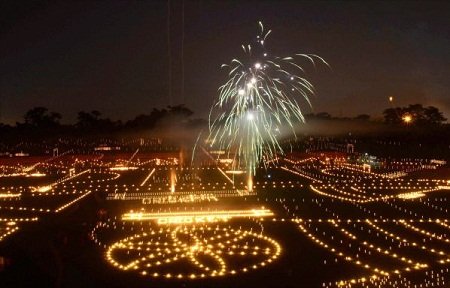
Diwali, also known as Deepavali, is one of the most celebrated festivals in India and among Indian communities worldwide. Often called the “Festival of Lights,” it symbolizes the victory of light over darkness and good over evil. People decorate their homes with diyas and candles, exchange sweets and gifts, perform puja, and celebrate with family gatherings, fireworks, and cultural programs.
While Diwali brings immense joy, cultural pride, and economic activity, it also has some drawbacks, particularly in terms of environmental impact and health concerns. Let’s explore the advantages and disadvantages of Diwali in 2025, supported with cultural, social, and scientific insights.
Advantages of Diwali
1) Strengthening Family and Social Bonds
Diwali is primarily a festival of togetherness. Families reunite, friends meet, and communities celebrate as one.
- It provides an opportunity for people working in different cities or even abroad to come back home.
- Social gatherings, card parties, and community pujas strengthen relationships.
2) Cultural Preservation and Heritage
Diwali carries deep cultural and religious significance across India:
- For Hindus, it marks Lord Rama’s return to Ayodhya after defeating Ravana.
- For Sikhs, it commemorates Guru Hargobind Ji’s release from prison (Bandi Chhor Divas).
- For Jains, it is associated with Lord Mahavira’s attainment of nirvana.
- For Buddhists in some traditions, it symbolizes the victory of Ashoka’s embrace of Buddhism.
Thus, Diwali is not just a Hindu festival — it represents India’s diverse cultural heritage.
3) Boost to the Economy
Diwali is India’s biggest shopping season, comparable to Christmas in the West.
- According to the Confederation of All India Traders (CAIT, 2024), Diwali sales in India crossed ₹3.5 lakh crore, covering sectors like gold, electronics, automobiles, home appliances, fashion, and sweets.
- E-commerce giants like Amazon and Flipkart report record-breaking sales during Diwali.
- Small businesses, street vendors, and artisans also benefit from increased demand for diyas, candles, decorations, and handicrafts.
4) Encourages Cleaning and Renewal
Traditionally, Diwali preparations include thorough cleaning of homes and workplaces to welcome Goddess Lakshmi (the goddess of wealth).
- This annual ritual encourages decluttering and maintenance of houses.
- Many families also paint, renovate, or buy new items, creating a sense of freshness.
5) Spiritual and Mental Well-being
Diwali pujas, meditation, and lighting diyas create a spiritual environment.
- Psychologists note that festivals like Diwali reduce stress, bring joy, and create a sense of positivity.
- The symbolism of light over darkness provides emotional strength and hope.
6) Employment Opportunities
Diwali preparations generate seasonal employment:
- Artisans making diyas, idols, and handicrafts.
- Sweet shops and food vendors.
- Transporters and delivery workers.
- Event managers and decorators.
This seasonal boom helps millions of people earn additional income.
7) National and Global Recognition
Diwali is celebrated not just in India but globally — from Times Square in New York to Buckingham Palace in London. This recognition boosts India’s soft power and cultural diplomacy, strengthening global awareness of Indian traditions.
Disadvantages of Diwali
While Diwali has many positives, it also brings challenges, especially in urban settings.
1) Air Pollution
The most widely discussed downside of Diwali is air pollution caused by firecrackers.
- According to the Central Pollution Control Board (CPCB, 2024), Delhi’s Air Quality Index (AQI) during Diwali often crosses 400–500, reaching the “Severe” category.
- Firecrackers release harmful gases like carbon dioxide, sulfur dioxide, and nitrogen oxides, worsening respiratory issues.
- Cities like Delhi, Lucknow, and Kolkata face smog-like conditions in the days following Diwali.
2) Noise Pollution
Crackers also cause excessive noise pollution, crossing safe decibel levels.
- This creates distress for elderly people, infants, and patients.
- It also severely impacts animals — both domestic pets and street animals suffer due to sudden loud noises.
3) Fire Accidents and Injuries
Every year, hospitals report an increase in fire-related accidents during Diwali.
- Burns, eye injuries, and accidental fires in homes and markets are common.
- Despite awareness campaigns, unsafe handling of fireworks continues to be a major issue.
4) Food and Health Issues
Diwali is synonymous with sweets and fried snacks. Overeating during this festive season often leads to digestion problems, weight gain, and rise in sugar levels for diabetic patients.
- Counterfeit or adulterated sweets also flood the market, creating health risks.
- In 2024, the Food Safety and Standards Authority of India (FSSAI) reported seizing tons of adulterated sweets and milk products during Diwali week.
5) Waste Generation
Diwali celebrations generate massive amounts of waste.
- Used firecracker shells, packaging, plastics, and food waste pile up in cities.
- Municipal corporations face extra pressure to clear garbage, often leading to littered streets for weeks.
6) Financial Pressure
The culture of gifting and shopping during Diwali sometimes leads to unnecessary spending.
- Middle-class families feel the pressure to match social expectations, leading to financial strain.
- Rising prices of gold, electronics, and sweets make celebrations costlier each year.
Diwali in 2025: Changing Trends
- Eco-Friendly Celebrations: More people are shifting toward green crackers, LED diyas, and sustainable decorations.
- Digital Gifting: E-wallets, online gift cards, and e-commerce hampers are replacing traditional gifts.
- Corporate Social Responsibility (CSR): Many companies now celebrate Diwali by donating to charities instead of fireworks.
- Minimalist Celebrations: Younger generations are increasingly focused on simple, meaningful celebrations instead of extravagant spending.
Balancing the Pros and Cons
To maximize the advantages and reduce the disadvantages of Diwali, experts suggest:
- Promoting Green Crackers – Firecrackers with reduced emissions should replace traditional ones.
- Awareness Campaigns – Educating people about pollution, safety, and healthy food choices.
- Strict Regulation – Enforcing limits on firecracker sales and usage.
- Eco-Friendly Alternatives – Encouraging clay diyas, biodegradable decorations, and waste segregation.
- Focus on Tradition Over Commercialisation – Restoring the essence of Diwali as a festival of light, joy, and togetherness.
Conclusion
Diwali is a festival that unites India in joy, culture, and tradition. Its advantages — strengthening social bonds, boosting the economy, preserving heritage, and creating positivity — make it one of the most important celebrations worldwide. Yet, its disadvantages — pollution, health risks, waste, and financial pressure — highlight the need for more responsible celebrations.
In 2025, as awareness about climate change and sustainable living grows, Diwali is evolving. The challenge is to retain its cultural richness while adapting to modern environmental and social needs. If celebrated mindfully, Diwali can truly continue to be the festival that spreads light, happiness, and hope not just in India, but across the globe.

Santosh Kumar is a Professional SEO and Blogger, With the help of this blog he is trying to share top 10 lists, facts, entertainment news from India and all around the world.