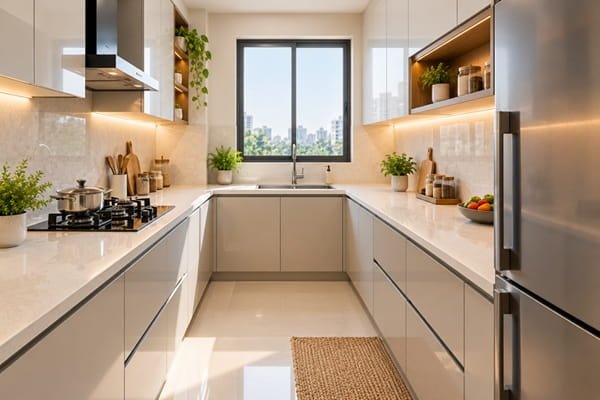
Water plays a critical role in everyday household activities, from bathing and cooking to cleaning and laundry. However, in many homes, especially across urban and semi-urban regions, hard water is a common concern. Hard water contains high levels of minerals such as calcium and magnesium, which may not always be visible but can gradually affect plumbing systems and household appliances over time.
This is where water softening becomes important. By helping reduce excess hardness minerals, water softeners can support better plumbing performance, improve appliance efficiency, and contribute to the long-term durability of household water systems.
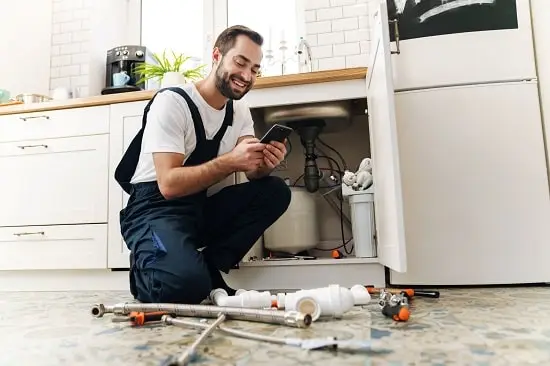
Understanding the Impact of Hard Water on Plumbing
When hard water flows through pipes regularly, minerals present in the water begin to accumulate inside the plumbing system. Over time, these mineral deposits, often known as scale buildup, can narrow the internal diameter of pipes and restrict water flow.
As scaling increases, plumbing systems may experience reduced efficiency, uneven water pressure, and greater strain on connected appliances and fixtures. This gradual buildup can eventually lead to expensive maintenance or pipe replacement if left unmanaged for long periods.
Prevents Scale Buildup in Pipes
One of the primary benefits of water softening is the reduction of scale formation inside pipes. Softened water contains lower concentrations of hardness-causing minerals, helping minimise mineral accumulation throughout the plumbing network.
Cleaner pipes allow water to flow more smoothly and efficiently, reducing the stress placed on plumbing systems. This can help extend the operational lifespan of household pipes and reduce the likelihood of blockages or corrosion-related issues.
Helps Extend Appliance Lifespan
Hard water not only affects pipes; it also impacts appliances connected to the water supply. Water heaters, washing machines, dishwashers, and faucets are particularly vulnerable to mineral scaling.
When scale accumulates inside appliances, it can reduce heating efficiency, increase energy consumption, and force appliances to work harder than necessary. Over time, this may shorten appliance lifespan and increase repair costs.
Softened water helps reduce mineral deposits inside these systems, supporting better appliance performance and long-term durability.
Improves Water Heater Efficiency
Water heaters are among the most affected appliances in hard water conditions. Mineral deposits can settle on heating elements and within storage tanks, creating an insulating layer that reduces heat-transfer efficiency.
As a result, the system may require more energy to heat water effectively. Water softening helps reduce this scaling issue, allowing water heaters to operate more efficiently while potentially lowering energy consumption.
This benefit becomes especially valuable for households with high daily hot water usage.
Reduces Plumbing Maintenance Costs
Frequent plumbing repairs caused by scaling, clogged pipes, or damaged fixtures can become expensive over time. Water softeners help reduce the wear and tear associated with hard water exposure, lowering the chances of plumbing-related maintenance issues.
By protecting pipes and appliances from excessive mineral buildup, homeowners may experience fewer breakdowns and lower long-term maintenance expenses.
Supports Better Water Flow and Pressure
Mineral scaling inside pipes can gradually reduce water pressure by restricting flow pathways. This can affect showers, taps, and overall household water distribution.
Softened water helps maintain cleaner plumbing lines, supporting more consistent water pressure and smoother water flow throughout the home. This improves both convenience and daily comfort.
A Smart Long-Term Investment
Installing a water softener is often viewed as a preventive investment for long-term home maintenance. By helping protect plumbing systems and appliances, water softening can contribute to improved operational efficiency and reduced repair costs over time.
As awareness around water quality and home efficiency grows, more homeowners are recognising the value of incorporating water softening solutions into their households.
Conclusion
Water softening is becoming an essential part of modern home maintenance, helping protect plumbing systems, improve appliance performance, and support better water flow throughout the household. By reducing the effects of hard water, homeowners can enhance everyday convenience while also extending the lifespan of water-based appliances and fixtures. When combined with advanced water purifiers, effective water treatment solutions can contribute to a cleaner, more efficient, and comfortable living environment for long-term household needs.

Santosh Kumar is a Professional SEO and Blogger, With the help of this blog he is trying to share top 10 lists, facts, entertainment news from India and all around the world.