

Your brain is like the boss of your body. It helps you to think, and speak, and move and feel. Therefore, if the pains do occur, you need a correct doctor to sort it out. Trying to find a top brain doctor can be overwhelming. You want someone who is capable, trustworthy and has empathy or caring.
This guide can help you know what to consider while selecting a brain doctor, and make the best choice for your health.
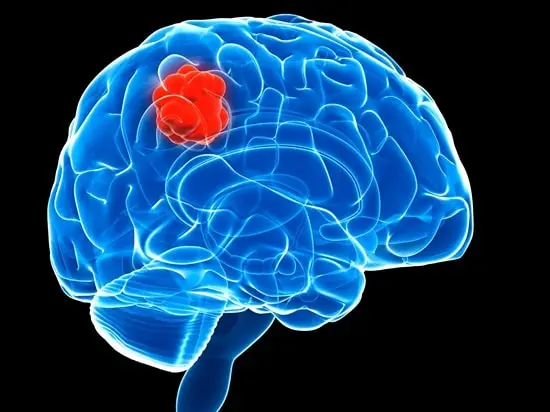
What a Brain Doctor Does
A neurologist or a brain doctor is the one who treats issues with the brain, nerves and spinal cord. They deal with issues like headache, stroke, memory loss, seizures and disturbances in movement. These are divided between surgical and non-surgical treatments. There are differences so make sure you know which one it is that you will require before simply picking one.
When You Might Need a Brain Specialist
Not all headaches or dizziness mean you need a brain doctor. But there are some signs you should never ignore. If you have these symptoms, get medical help quickly:
- Severe or sudden headache
- Weakness or numbness in arms or legs
- Trouble speaking or understanding words
- Sudden vision problems
- Memory loss or confusion
- Seizures
- Trouble with balance or walking
- Tremors or shaking hands
These indications can be linked to serious brain or nerve problems. Early diagnosis can make a big difference in recovery.
Do Your Research Before Choosing?
Researching is the first part of finding a doctor that suits you. Find experts familiar with your particular issue.
If you have epilepsy, for example, look for a doctor who treats patients with seizure disorders. The best way to do this is by researching their qualifications, level of education and their years in the field. You may look online or ask your family physician for a recommendation.
● Check the Doctor’s Experience
Experience matters a lot in brain and nerve care. The more experience a doctor has with a certain condition, the better they are likely to treat it. Ask how many patients they have treated with similar problems. If you might need surgery, ask how many procedures they have done and what the success rate is.
● Look for Hospital Facilities
Brain treatment often needs advanced tests and equipment. A good hospital should have MRI, CT scans, EEG, and other tools for accurate diagnosis. They should also have emergency care in case of sudden problems like a stroke. Hospitals with a team of specialists can give you better and faster care.
● Communication and Comfort
When it comes to the brain, you need a doctor who is willing to listen. They also need to speak in terms you can understand and patiently answer all of your questions. Talking about your symptoms, and concerns should be easy. The best doctors will include you in the process of deciding what to do.
● Ask About Treatment Options
Now there are a lot of options to treat brain and nerve problems This may entail medications, physiotherapy, lifestyle adjustments or surgery. A good doctor will explain all possible options and their risks. They will help you choose the treatment that suits your condition and life.
● Read Patient Reviews
Patient reviews can tell you a lot about a doctor’s approach. Look for feedback about waiting times, staff behavior, and how well the doctor explains things. Positive reviews can give you confidence. But also pay attention to any repeated negative points.
● Check Accessibility and Support
You may need frequent visits to your brain doctor, especially at the beginning of your treatment. Choose a hospital that is easily accessible. Also, see if they offer good follow-up care, online consultations, or an emergency helpline.
Special Areas of Brain Care to Consider
Some brain doctors focus on special areas. This can help you find the perfect match for your needs:
- Stroke Specialists – For quick treatment and recovery after a stroke
- Epilepsy Specialists – For seizure control and monitoring
- Memory Disorder Experts – For dementia or Alzheimer’s care
- Parkinson’s Specialists – For movement disorder treatment
- Pain Management Experts – For nerve pain or headaches
- Neurosurgeons – For brain or spine surgeries
Questions to Ask Before Choosing
When you meet a brain doctor, don’t be shy to ask questions:
- What is my diagnosis?
- What tests do I need?
- What treatment do you suggest?
- How long will it take to see progress?
- Are there any risks or side effects?
- Will I need an operation?
- How often will I have follow-up visits?
Importance of Early Diagnosis
Brain conditions often get worse if not treated in time.
For instance: a stroke requires to be addressed straight away to prevent further harm. If not properly managed, epilepsy can cause significant harm during seizures. The earlier it is detected the better recovery and quality of life.
Growing a Relationship with Your Doctor
Neurological problems frequently require ongoing care. You can have a long-term relationship with the same doctor. This is the reason you need to pick someone that you can trust and feel good around.
Balancing Cost and Quality
Brain care can be expensive. But choosing a cheaper option without proper facilities may risk your health. Look for hospitals that offer high-quality treatment at reasonable rates. Some hospitals also have payment plans or insurance support.
Conclusion
Selecting the right brain doctor is an important choice. Take your time and the points that we discussed should be considered only after doing proper research. The right specialist, the right hospital, and timely care can save a life!
Paras Health has a trusted team of brain Doctor in Gurgaon, who focus on patient-first care with advanced technology. This means patients will experience modern treatment by the best neurologists in the world.

Santosh Kumar is a Professional SEO and Blogger, With the help of this blog he is trying to share top 10 lists, facts, entertainment news from India and all around the world.