
Tracking ovulation is vital for fertility treatments since it helps identify the most fertile days of the cycle. It means that treatments can be timed more precisely, resulting in better planning and outcomes. Here’s how ovulation tracking can improve IUI success:
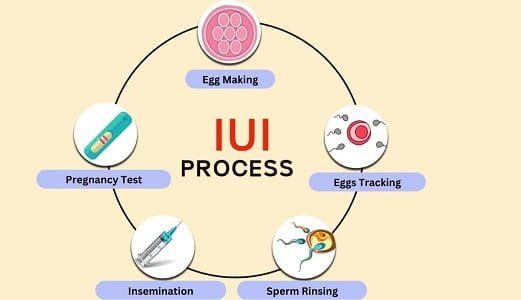
Cycle tracking
An ovulation calendar allows you to keep track of your menstrual cycle. It notes how long your cycle lasts and predicts when you might ovulate. This makes it easier to plan treatments and reduces uncertainty. Over time, it also shows how regular your cycles are and helps spot any changes early.
Timing accuracy
Getting the timing right is crucial for IUI. By tracking ovulation, you can find out exactly when the egg is released, so insemination happens at the best possible moment. This gives sperm the best chance to meet the egg, which can lead to better results.
Hormonal support
Tracking ovulation also helps doctors monitor your hormones. They might use scans and hormone tests along with tracking tools to confirm when you ovulate and see how your body is responding to treatment. This makes it easier to spot any hormonal changes and adjust your treatment if needed.
Better outcomes
When ovulation is tracked carefully, treatments are more likely to succeed. It lowers the risk of mistimed procedures and helps doctors use the right interventions at the right time. Patients often feel more confident and healthcare teams can make better decisions, leading to more reliable results.
Personalised care
Tracking ovulation helps doctors create treatment plans that fit each person’s unique cycle. By understanding how your body responds over time, they can adjust care to suit your needs. This makes treatment more focused on you and often more effective.
Reduced stress
Clear ovulation tracking can help lower stress. When you know what to expect at each stage, it brings reassurance and makes it easier to follow medical advice. Having a plan makes the process feel more manageable and gives you a sense of control, which can boost your emotional well-being.
Data insights
Tracking ovulation gives useful information over time. By looking at patterns across several cycles, doctors can fine-tune their treatment and make better decisions. Consistent data helps plan more accurately and compare your progress from cycle to cycle.
Monitoring response
Tracking ovulation lets doctors see how your body is reacting to medication. If ovulation isn’t happening as expected, they can make changes right away. This helps keep your treatment on track and avoid delays by catching any issues early.
Procedure planning
Tracking ovulation helps in planning each step of the procedure. It allows clinicians to schedule insemination precisely. For example, the best IVF centre in Bangalore may use detailed tracking methods. This ensures procedures align with the patient’s cycle. It also helps in preparing the body for each stage of the process. This ensures smoother execution of treatment steps.
Precision care
Precision matters in fertility treatments. By tracking ovulation, doctors can target each step to match your cycle. This makes care more efficient and effective and helps coordinate every stage for better results.
Clinical tools
Many clinics now use digital tools to track ovulation. These tools give accurate predictions, reminders and connect with medical systems. This keeps patients informed, makes tracking easier and helps everyone get better results.
Coordinated care
Ovulation tracking helps patients and doctors stay on the same page about each stage of the cycle. This improves communication, makes planning easier and leads to smoother treatments. Good coordination also builds trust between you and your healthcare team.
Treatment success
Tracking ovulation can improve your chances of success by making sure insemination happens at the best time. This not only raises the likelihood of conception but also helps patients feel more satisfied with their care.
Follicle growth
By tracking ovulation, doctors can closely watch how your follicles grow and mature. This helps them time insemination when the egg is ready, improving the chances of fertilisation. It also means trigger injections can be given at the right moment, making IUI treatment more precise.
Conclusion
Ovulation tracking is an important part of fertility care. It helps with timing, planning and getting better results. Giving accurate information helps doctors make good decisions and can make your fertility journey smoother and more successful.

Santosh Kumar is a Professional SEO and Blogger, With the help of this blog he is trying to share top 10 lists, facts, entertainment news from India and all around the world.