
Suppose you run a small business that makes handcrafted home décor items in India. One day, you get an order from a boutique in London. You start packing, but then you realise you have no idea how to send the shipment overseas, deal with customs, or handle documentation. This is where freight forwarders come in.
Freight forwarders act as the bridge between you and the complexities associated with international shipping. They make sure that your goods reach their destination safely, on time, and with all legal requirements fulfilled. In this blog, you will learn what freight forwarders do, why they are essential, and how to choose the right one for your business.
What are freight forwarders?
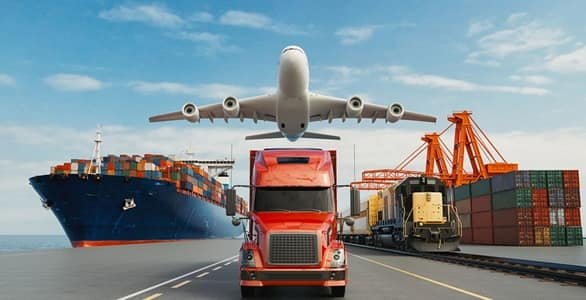
Freight forwarders are companies or agents that organise the transportation of goods from one place to another on behalf of shippers. They act as intermediaries between exporters, importers, and carriers such as airlines, shipping lines, and trucking firms.
Understanding the role of freight forwarders
A freight forwarder is responsible for the following tasks:
Cargo Consolidation
Freight forwarders combine smaller shipments from different exporters into one large container to reduce shipping costs. For example, you may find a forwarder merging cargo from three small textile exporters in Tiruppur into one full container bound for Hamburg.
The forwarder also simplifies customs processing since the consolidated cargo is shipped under one bill of lading. Once the container reaches the destination, the forwarder arranges deconsolidation.
Route optimisation
Freight forwarders plan the most efficient and cost-effective routes for cargo movement. They analyse factors such as transit time, port congestion, and freight rates to determine the best mode and path.
For example, when exporting auto parts from Pune to Mexico, a forwarder may choose a combination of sea and air routes: shipping from Mumbai to Los Angeles by sea and forwarding by air to Mexico City.
Customs clearance
Freight forwarders handle all documentation and formalities required for customs clearance in both exporting and importing countries. For example, suppose an exporter is sending pharmaceuticals from India to the UK, and they need paper like invoices, packing lists, and drug compliance certificates. The forwarder will ensure that all forms meet customs regulations to prevent goods from being held or fined. They also coordinate with licensed customs brokers and use digital filing systems for faster clearance.
Freight negotiation
Freight forwarders negotiate competitive shipping rates with carriers based on shipment volume and frequency. Suppose an electronics exporter regularly ships 50 containers monthly to Singapore. The forwarder will use this volume to get lower freight rates and priority space allocation from shipping lines. The cost advantages are then passed on to the exporter. Forwarders also monitor volatility in fuel costs or seasonal surcharges and, based on that, renegotiate rates proactively.
Warehousing support
Many freight forwarders offer storage facilities to manage goods before shipment or distribution. For example, a machinery exporter may use the forwarder’s bonded warehouse near Nhava Sheva Port to store parts until customs clearance is complete. Warehousing services also include inventory labelling, palletising, and quality checks before cargo is shipped.
Real-time tracking
Modern freight forwarders use digital tracking tools for live updates on shipment locations and status. For example, suppose there is a coffee exporter from Coorg. With a tracking facility, they can monitor the shipment’s journey through an online dashboard and receive alerts at every transit point, from the port of loading to the final destination. This transparency helps shippers anticipate delivery times and prepare documentation or payment accordingly.
Tips to choose the best freight forwarder
Here are some tips to select the best freight forwarder:
- Choose a freight forwarder with strong experience in handling shipments similar to yours. Those with industry expertise are well aware of the documentation, regulations, and routes that can save time and prevent costly errors.
- Check if the freight forwarder has a strong international network of agents and partners. If they do, they can help you manage customs, coordinate logistics, and efficiently handle possible issues in different countries.
- Look for a company that offers complete logistics solutions, including air, sea, and land transport. Additional services such as warehousing, packaging, and customs clearance can further help in the shipping process.
- Check customer reviews, references, and case studies to understand their reliability and consistency.
- Request detailed quotations that list all costs clearly. Transparent pricing helps avoid hidden charges and allows you to compare the total logistics expense across different service providers.
- Confirm whether the freight forwarder includes marine insurance or assists in arranging one. Proper coverage protects your goods against loss, theft, or damage during transit.
- Forwarders using technologies such as Artificial Intelligence (AI) for route optimisation, Internet of Things (IoT) sensors for monitoring cargo conditions, and cloud-based logistics platforms for instant data sharing can greatly enhance efficiency.
Conclusion
Freight forwarders are the unseen heroes of global trade. They transform the complicated process of moving goods across borders into a smooth and organised operation. From booking shipments to guiding single transit insurance, handling documentation, and managing customs to ensure on-time delivery, they do it all. Whether you are a small business exporting your first batch of products or a large company handling global supply chains, partnering with a reliable freight forwarder can make all the difference.

Santosh Kumar is a Professional SEO and Blogger, With the help of this blog he is trying to share top 10 lists, facts, entertainment news from India and all around the world.