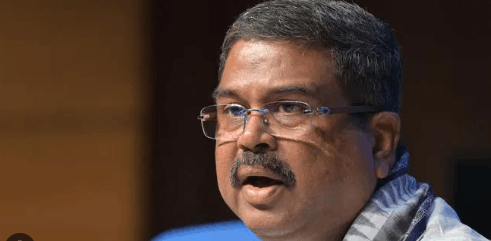
Union Education Minister Dharmendra Pradhan submitted his resignation to Prime Minister Narendra Modi on Saturday, July 25, 2026, following weeks of nationwide protests over alleged irregularities in major examinations, particularly the NEET-UG medical entrance test. The development marks a major political turn in a controversy that had grown from concerns about examination security into a wider student-led campaign demanding accountability and structural reform.
At the time of writing, Pradhan had publicly confirmed that he had tendered his resignation. However, an official announcement regarding its formal acceptance and the appointment of his successor had not yet been reported.
Why Did Dharmendra Pradhan Resign?
The immediate background to the resignation was the growing unrest over alleged paper leaks and other irregularities connected with the NEET-UG examination. Reports said the controversy affected nearly two million candidates and triggered demands for greater transparency in the way national entrance examinations are conducted.
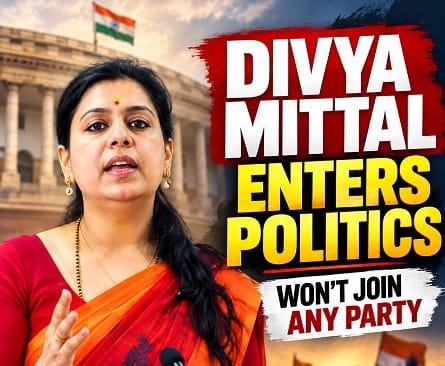
Student demonstrations intensified at Delhi’s Jantar Mantar and spread to other parts of the country. Protesters demanded responsibility at the ministerial level, action against those involved in examination malpractice and long-term reforms to protect students from similar disruptions in the future. Opposition parties also raised the issue in Parliament and supported calls for accountability. The protests were prominently associated with the youth-led Cockroach Janta Party, or CJP. Its supporters treated Pradhan’s resignation as an important victory for the student movement, although campaign leaders indicated that their broader demands relating to examination reform and accountability would continue.
What Dharmendra Pradhan Said in His Resignation Letter
In a letter addressed to young people, Pradhan said he had accepted responsibility from the beginning of the controversy and had not turned away from the situation. He argued that his priority was to ensure that deserving students did not suffer because of what he described as an examination mafia. Pradhan explained that he was stepping down so students’ education and careers would not become trapped in prolonged political or legal disputes. He also said that the situation should not be exploited in a manner that could weaken national unity. The minister thanked Prime Minister Narendra Modi, his Cabinet colleagues and Education Ministry officials for their support during his tenure. He further stated that he would remain committed to serving the country, Odisha and India’s youth. His letter presented the decision as one taken in the interests of students rather than as a matter of personal prestige.
A Major Political Development for the Modi Government
Pradhan’s departure is politically significant because resignations by senior Cabinet ministers over governance controversies have been uncommon during Narendra Modi’s time as prime minister. His resignation therefore represents a rare concession in response to sustained public and opposition pressure.
The decision may help the government reduce immediate political pressure, but it does not by itself resolve the deeper concerns raised by students. Questions remain about examination security, the responsibility of testing agencies, the punishment of those involved in leaks and the protection of candidates whose academic futures may be affected.
What Happens Next?
The government will now face pressure to name a new education minister and clearly explain how the examination system will be strengthened. Students and parents are likely to expect tighter security, quicker investigations, more transparent communication and effective safeguards against future paper leaks.
The resignation may also increase scrutiny of bodies responsible for national-level entrance examinations. Any lasting solution will require more than a change of minister. It will depend on whether the government introduces reforms that restore confidence in the fairness and reliability of the examination process.
Final Thoughts
Dharmendra Pradhan’s resignation has brought the political accountability debate to a decisive stage, but the larger examination crisis remains unresolved. For students, the central issue is not simply who leads the Education Ministry. It is whether India can build an examination system in which merit is protected, malpractice is detected early and candidates do not lose valuable academic years because of administrative failures.
The coming days will show whether the resignation becomes the beginning of meaningful education reform or merely closes one chapter of a much wider controversy.

Satyakam is a seasoned professional content writer with over 15 years of experience in creating high-quality, research-driven content for digital platforms. He specialises in business, finance, banking, law, technology, and informational blogs.