In industries where efficiency, reliability, and safety are paramount, service approaches must evolve to meet growing demands. Traditional maintenance schedules, while structured, often lead to unnecessary interventions or overlooked risks.
This is where condition-based maintenance in modern operations becomes essential. It relies on monitoring actual performance data from electrical instruments and equipment to determine the right time for servicing.
By doing so, it transforms traditional service practices into predictive strategies that save costs, improve safety, and extend asset life. Let’slearn how it transforms traditional service models.
Moving Beyond Routine Checks
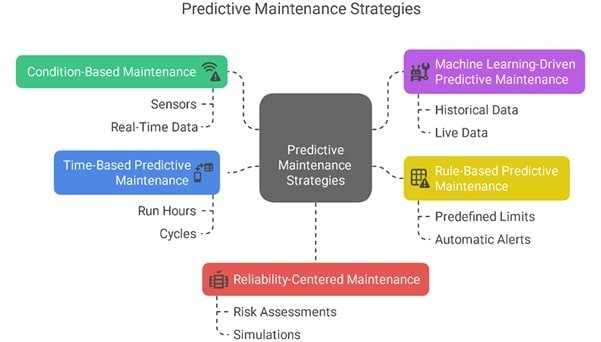
Conventional maintenance follows fixed schedules, often leading to early replacements or missed issues between inspections, raising costs and risks. Condition-based maintenance offers a responsive approach by tracking parameters like vibration, pressure, and temperature.
It detects anomalies instantly, ensuring technicians act only when necessary, reducing waste and protecting equipment from needless intervention.
Turning Data into Predictive Power
A defining advantage of condition-based maintenance lies in its use of data. Sensors and monitoring devices continuously record how machinery performs. This information is then analyzed to reveal trends that predict future issues.
Employing such predictive insights helps organizations move from reactive responses to proactive care. Resources are incorporated strategically, ensuring that skilled teams focus where their expertise has the most impact.
This use of real-time information not only reduces downtime but also strengthens long-term reliability.
Cost Efficiency and Reliability
Managing assets with precision creates significant cost advantages. Traditional models often involve discarding parts prematurely, which drives up material expenses. At the same time, sudden breakdowns can halt operations, leading to emergency repairs and production losses.
Condition-based maintenance prevents both extremes. By employing accurate monitoring, components are used for their full lifespan without being overstressed. Timely interventions reduce the likelihood of catastrophic failure, ensuring that devices and equipment remain operational. This balance of efficiency and reliability becomes an essential factor in maintaining profitability.
Extending the Life of Assets
The health of machinery depends not only on design but also on how it is maintained. When servicing is guided by actual condition, assets are safeguarded from premature wear. Preventing overload, misalignment, or overheating keeps systems within safe operating ranges.
This practice extends the life of electrical equipment, instruments, and devices. It further advances sustainability goals by minimizing the waste created from the early disposal of parts. Employing predictive care ensures that resources are deployed wisely while maintaining operational excellence.
Safety at the Forefront
Beyond operational benefits, safety is one of the most important outcomes of condition-based maintenance. Industrial environments often involve high-voltage systems, rotating equipment, and sensitive devices. If left unchecked, these can pose serious risks.
By identifying potential hazards early, predictive strategies protect both employees and infrastructure. Real-time alerts about insulation failures, unusual temperatures, or irregular loads allow corrective actions before accidents occur. Incorporating this safety-first approach builds confidence among workers and stakeholders alike.
Integration with Industrial Systems
To achieve full effectiveness, condition-based maintenance must be incorporated into larger operational frameworks. Many industries now employ interconnected systems where maintenance data, production schedules, and safety controls communicate seamlessly.
Integrating diagnostic tools with monitoring platforms provides decision-makers with clear dashboards that display asset health. This visibility supports strategic planning, helps prioritize interventions, and ensures smooth coordination across departments. When incorporated effectively, predictive strategies become an integral part of the industrial structure.
Strategic Benefits for Businesses
The impact of condition-based maintenance extends beyond maintenance teams. Supply chain planning improves as spare parts are stocked based on real need rather than estimates.
Capital investments are maximized, as equipment lasts longer without compromising performance. Customers also benefit, as consistent reliability strengthens trust in service delivery.
For organizations seeking long-term competitiveness, condition-based maintenance is more than a technical upgrade; it is a strategic necessity that aligns cost efficiency, safety, and performance.
Partnering for Long-term Efficiency and Safety
While the advantages are clear, deploying predictive maintenance requires expertise and dependable technology. Partnering with reputable energy brands ensures access to high-quality electrical instruments, durable equipment, and integrated systems designed for long-term resilience. Such collaborations make it possible to employ proven frameworks, incorporate advanced monitoring solutions, and deploy resources effectively.
Working with trusted partners allows organizations to unlock the full potential of condition-based maintenance, achieving cost savings, operational efficiency, and enhanced safety. In a competitive industrial landscape, aligning with experienced energy providers creates the foundation for reliable, sustainable, and predictive operations.

Santosh Kumar is a Professional SEO and Blogger, With the help of this blog he is trying to share top 10 lists, facts, entertainment news from India and all around the world.