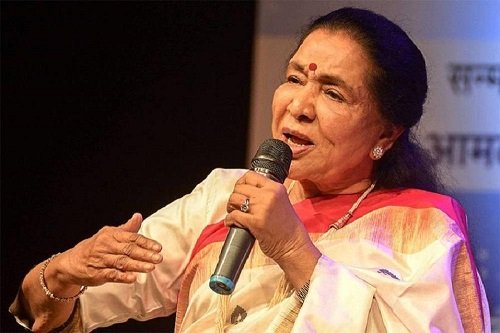
Veteran playback singer Asha Bhosle passed away on April 12, 2026, in Mumbai at the age of 92, bringing an emotional close to one of the longest and most influential careers in Indian music history.
She had been unwell for some time and was admitted to Breach Candy Hospital a day before her demise. Doctors reported that she was suffering from serious cardiac and respiratory complications, along with a chest infection. Despite medical care, her condition worsened, leading to her passing.
Final Days and Health Condition
In her last days, Asha Bhosle was battling multiple age-related health issues. Sources from the hospital indicated that she experienced breathing difficulties and extreme weakness, which required immediate hospitalization.
Her health deteriorated rapidly within hours of admission. Doctors tried to stabilize her condition in intensive care, but complications increased. Eventually, her body could not respond to treatment, and she breathed her last peacefully in Mumbai.
Her family later confirmed the news, and soon after, it spread across the country, leaving millions of fans in shock.
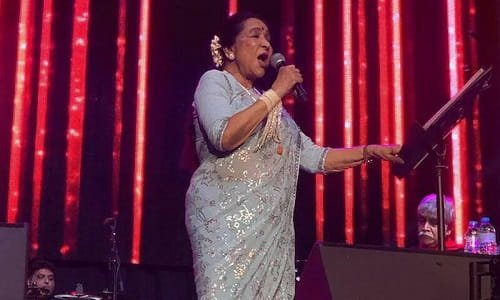
A Voice That Defined Generations
Asha Bhosle’s career is almost impossible to match. She recorded more than 11,000 songs in over 20 languages, making her one of the most recorded artists in the world.
Her voice had a rare flexibility. She could sing:
- Romantic melodies
- Classical compositions
- Cabaret and dance numbers
- Ghazals and pop-style songs
From the golden era of black-and-white cinema to modern Bollywood, her voice remained relevant across decades.
From Struggle to Stardom
Her journey was not easy. Early in her career, she struggled to find her place in an industry already dominated by her elder sister, Lata Mangeshkar.
Instead of competing directly, Asha Bhosle chose a different path. She took up songs that were bold, experimental, and often avoided by others. This decision slowly built her identity.
Her collaboration with R. D. Burman became a turning point. Together, they created some of the most iconic songs in Indian cinema, redefining music styles and trends.
Over time, she transformed from an underrated singer into a legend in her own right.
Nationwide Reaction
As soon as the news of her passing broke, tributes began pouring in from across India.
Leaders, film personalities, and musicians expressed deep sorrow. Many described her as “the voice of generations” and “an irreplaceable legend.”
Social media was filled with clips of her songs, rare interviews, and emotional messages from fans who grew up listening to her music.
Her last rites are expected to be conducted in Mumbai with full respect and honor, reflecting her immense contribution to Indian culture.
A Legacy That Will Never Fade
Asha Bhosle’s legacy goes far beyond numbers or records. She changed how playback singing was perceived.
She proved that:
- A singer can adapt to changing times
- Versatility can outlast trends
- True talent remains relevant across generations
Even today, many singers try to recreate her style, but her voice had a distinct charm that remains unmatched.
Final Words
Asha Bhosle’s passing marks the end of a golden chapter in Indian music.
Her songs will continue to live on, playing in homes, films, and memories for years to come. But the artist behind that voice—the energy, the expression, the soul—has now become part of history.
This is not just a loss for the music industry. It is a moment that reminds the entire country how deeply one voice can connect with millions.

Satyakam is a seasoned professional content writer with over 15 years of experience in creating high-quality, research-driven content for digital platforms. He specialises in business, finance, banking, law, technology, and informational blogs.