
When a person starts to look into modern ways to treat cancer they often find that the conversation moves quickly toward how the body can fight back on its own. This is where the idea of immunotherapy comes into play, and it is a fascinating area because it does not focus solely on cancer cells but rather on how to wake up the immune system so it can see the problem more clearly. It is a bit like giving a pair of glasses to a person who has trouble seeing far away so they can finally spot the things that were hidden in plain sight. One specific measurement doctors use to determine whether this approach will work is the number of mutations in a tumor’s DNA. This count of changes helps the medical team understand how distinct the cancer cells are from healthy cells in the body.
How The Body Recognizes A Problem Through Markers
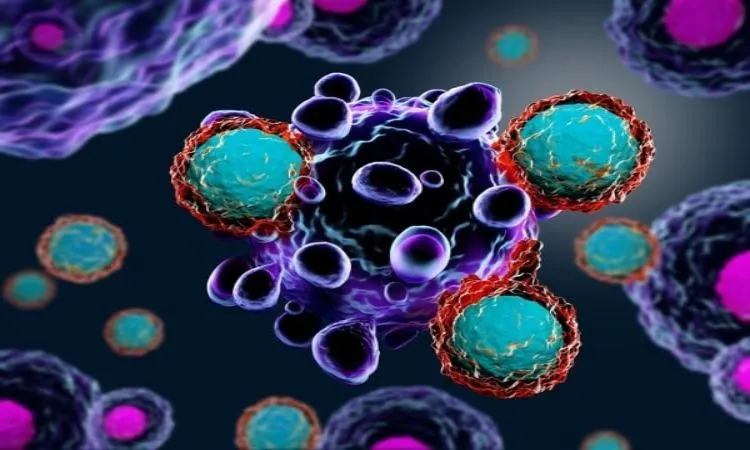
The logic behind this is quite straightforward if you think of it as a crowd of people wearing the same blue shirt. If one person starts to wear a bright red hat and a yellow scarf, it becomes very easy for a security guard to spot them in the middle of that crowd. In the same way, when a tumor has many genetic changes, it produces more unusual proteins that the immune system can recognize as foreign or abnormal. During treatment planning, because not every tumor has a high number of these changes, if the count is low, the immune system might just walk past the cancer cells without noticing anything is out of place. Doctors use tumor panel test or the tmb test, which cancer patients can take to measure these markers and determine whether the tumor is likely to respond well to certain drugs. Having a high number of mutations is actually a positive sign in this specific context because it means the immunotherapy has a better chance of finding a target to attack. Medgenome provides this type of testing to help doctors gather more data on a tumor’s genetic makeup, enabling them to decide on the best path forward for each individual case.
The Way of Testing For Mutations
It is fascinating to watch the evolution of genetics, which has revolutionized the way we think about the time and effort invested in diagnostics prior to treatment. Many people ask why they have to take so many tests, but each test adds a new piece to the puzzle and makes the plan more accurate. Using a TMB cancer test like this prevents treatment that may not work for a particular person and helps to save time and avoid giving unnecessary side effects due to trying out various drugs. It typically requires a small sample of tumor tissue and DNA sequencing to determine the number of mutations in a specific part of the genome. The higher the number, the more distinct the cancer would be from normal cells, and it would be easier for the immune cells to do their work after receiving a boost from the medicine. There is also a version of this which can be performed with a blood sample – quite useful for those who are not easily able to do a biopsy – and that’s how the field is making things easier for patients. These advanced therapies are increasingly offered in many clinics, and using a TMB test on cancer data can help determine which patients are most likely to benefit from them.
Engaging With Thinking About The Next Steps In Care
If the landscape looks a bit foggy, that’s just one component of a much bigger strategy, but it helps to give you a sense of direction. It is a useful tool for exploiting the tumor’s unique code to identify a weakness and also helps set expectations for the body’s response to the treatment. When this type of information is provided, it can reduce the ‘guessing game’ aspect of the process and create a well-thought-out plan tailored to the individual’s biology. This information can go a long way toward determining the course of events over the next few months, depending on the unique nature of each situation.

Santosh Kumar is a Professional SEO and Blogger, With the help of this blog he is trying to share top 10 lists, facts, entertainment news from India and all around the world.