
India’s urban landscape is undergoing a remarkable transformation, and one of the most defining trends shaping modern cities is the rise of mixed-use developments. From Delhi NCR to Bengaluru, Mumbai, and Hyderabad, developers and urban planners are increasingly focusing on integrated layouts that combine residential, commercial, retail, and recreational spaces within a single ecosystem. As metros expand and lifestyles evolve, mixed-use projects are expected to play a central role in shaping the future of Indian urban living.
What Are Mixed-Use Developments and Why They Matter
Mixed-use developments are large-scale real estate projects that integrate multiple functions—such as offices, housing, retail, hospitality, and entertainment—into one planned space. Instead of separating business districts and residential areas, these layouts create a “live-work-play” environment that enhances convenience and efficiency. This model is becoming highly relevant in dense metro cities where long commutes and traffic congestion impact productivity and quality of life.
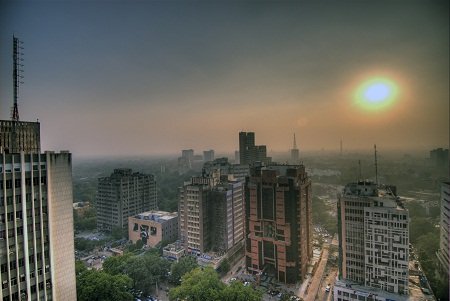
In India, integrated townships and mixed-use formats are already dominating new land acquisitions and development strategies in major urban regions. Cities like Mumbai, Bengaluru, and Pune are witnessing significant growth in such projects, reflecting the demand for cohesive urban spaces that support modern lifestyles.
The Role of Infrastructure and Transit-Oriented Development
One of the biggest drivers behind mixed-use growth is the expansion of metro networks and transport infrastructure. Transit-Oriented Development (TOD) is gaining momentum, encouraging high-density, mixed-use construction along metro corridors to promote walkability and accessibility.
For instance, upcoming metro lines and transit hubs across Indian cities are expected to boost property demand and support integrated developments near stations. Such planning reduces travel time, increases property value, and attracts professionals who prefer living close to their workplaces. With India’s metro systems expanding rapidly across multiple cities, urban mobility is directly influencing how new layouts are designed.
Economic and Business Advantages
Mixed-use developments are not just about convenience—they are strong economic engines. By combining offices, retail zones, and residential spaces, these projects generate steady footfall and commercial activity throughout the day. Businesses benefit from a built-in customer base, while residents enjoy access to workplaces, shopping, and leisure options within walking distance.
Large projects like Worldmark Aerocity in New Delhi highlight how integrated commercial and retail ecosystems can become major business and lifestyle hubs. Such developments often include office towers, shopping malls, dining zones, and entertainment facilities, creating a self-sustained urban micro-economy.
Sustainability and Smart Urban Planning
Another key factor shaping the future of mixed-use layouts is sustainability. Modern urban planning increasingly prioritizes green spaces, energy-efficient buildings, and reduced urban sprawl. Integrated developments help minimize daily travel distances, lowering carbon emissions and supporting eco-friendly living.
Urban planning research also suggests that balanced infrastructure planning—combining residential needs with commercial growth—leads to more functional and adaptable cities, especially in rapidly urbanizing regions like India.
Additionally, many upcoming projects now include green zones, pedestrian pathways, and smart infrastructure systems, aligning with India’s smart city initiatives and long-term sustainability goals.
Rising Demand from Millennials and Professionals
Young professionals and startup founders are a major force behind the popularity of mixed-use developments. Cities like Bengaluru, Hyderabad, and Gurugram attract a large working population that values proximity to offices, coworking spaces, cafes, and entertainment hubs. Integrated layouts cater perfectly to this demographic by offering lifestyle convenience alongside career opportunities.
Moreover, hybrid work culture and flexible office trends are encouraging developers to design multifunctional spaces that support both living and working within the same locality.
Challenges and Future Opportunities
Despite their advantages, mixed-use developments face challenges such as high land costs, regulatory approvals, and infrastructure coordination. However, policy support, smart zoning regulations, and private-public partnerships are expected to ease these hurdles in the coming years.
Looking ahead, the future of Indian metros will likely revolve around compact, transit-linked, and multifunctional urban districts. As cities continue to expand and populations grow, mixed-use developments will become the backbone of sustainable urban growth—offering better lifestyle quality, stronger economic activity, and smarter city planning for the next generation.

Santosh Kumar is a Professional SEO and Blogger, With the help of this blog he is trying to share top 10 lists, facts, entertainment news from India and all around the world.