
Workplace safety is more than just a legal necessity. It’s about creating a secure, healthy environment for every employee. This keeps you out of legal troubles, reduces accidents and encourages a culture of trust, whether you’re running an office or a factory.
Who is responsible for workplace safety compliance?
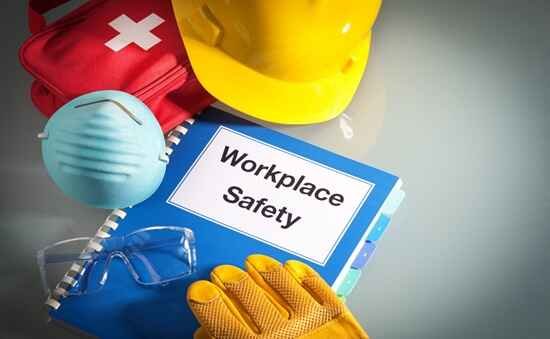
Both employers and employees have an important role in maintaining a safe workspace.
Employer responsibilities:
- Identify hazards and assess risks
- Provide proper safety training
- Maintain a clean and safe working environment
- Offer personal protective equipment (PPE) when needed
- Comply with local safety laws and regulations
Employee responsibilities:
- Follow all safety procedures and training
- Report unsafe conditions immediately
- Use PPE provided by the employer
- Cooperate with safety audits and checks
Key elements of workplace safety compliance
To maintain a compliant workplace, you must focus on some core elements that act as the foundation for your safety programme. These include.
Risk assessment:
Conduct a thorough risk assessment. This involves:
- Identifying potential hazards
- Evaluating the risk they pose
- Applying controls in place to reduce these risks
Regular training and education:
Safety training should be ongoing, not just a one-time event. Employees must be well informed about:
- Emergency protocols
- Equipment handling
- Fire and electrical safety
- First aid basics
- Interactive training sessions and refresher courses help everyone stay updated
Clear communication and documentation:
It’s essential to document all safety procedures and share them with your team. This includes:
- Manuals
- Safety notices
- Checklists
- Meeting records
- Documented safety procedures are helpful during audits and inspections
Workplace safety policies:
Drafting a clear safety policy is vital. It should include:
- The company’s safety goals
- Roles and responsibilities
- Emergency contact lists
- Reporting procedures
Insurance and legal compliance:
Insurance coverage is a key part of safety compliance. Policies like employer-employee insurance provide a wide range of protections, including coverage for injuries and accidents, offering financial relief to both parties.
One of the most critical components is having a workmen’s compensation policy or WC policy. It covers medical costs and lost wages for employees who get injured at work. It also protects employers from hefty legal pay-outs.
Having a WC policy ensures you meet legal requirements under the Workmen’s Compensation Act and shows your commitment to employee welfare.
Common workplace safety violations to avoid
Understanding what commonly goes wrong helps you stay ahead. Here are frequent compliance issues:
- Poor electrical safety
- Inadequate emergency exits
- Ignoring PPE usage
- Faulty machinery or tools
- Lack of first aid provisions
Inspections often look for these red flags. Fixing them early can minimise workplace accidents and save you from penalties.
The legal side of workplace safety
Laws around occupational health and safety are evolving. Some important regulations include:
- The Occupational Safety, Health and Working Conditions Code, 2020
- The Factories Act, 1948
- The Workmen’s Compensation Act, 1923
These laws mandate minimum safety standards, insurance requirements and inspection protocols.
Benefits of staying compliant
Here’s why ensuring investing in workplace safety pays off:
- Fewer accidents: A safer environment means fewer workplace injuries.
- Legal protection: Avoid lawsuits and fines.
- Employee retention: Workers stay longer in safe and well-managed workplaces.
- Higher morale: Safety builds trust and motivation.
- Better productivity: Healthy employees work more efficiently.
Tips to improve your workplace safety
You don’t need to overhaul everything overnight. Small changes can make a big difference. Here are some tips:
- Conduct monthly safety checks
- Hold weekly team safety meetings
- Set up an anonymous hazard reporting system
- Keep all first aid kits updated
- Ensure fire exits are always clear
- Posting reminders and notices to create awareness.
Conclusion
Workplace safety isn’t just a box to tick—it’s a shared responsibility. Whether you’re the employer or an employee, compliance ensures everyone gets home safe. With tools like a WC policy and employer-employee insurance, you’re not just protecting your business but also ensuring employee well-being when things go wrong.

Santosh Kumar is a Professional SEO and Blogger, With the help of this blog he is trying to share top 10 lists, facts, entertainment news from India and all around the world.