

Silver Bees Share Price and ETF Funds have become the most common topic on investor screens as silver’s 2025 rally pushed precious metal products into the limelight. As seen across India and globally, retail and institutional investors are reassessing allocations to commodities, and exchange-traded vehicles in particular, to capture upside in industrial demand, hedge inflation, and diversify away from equities. Silver Bees Share Price moves are being constantly watched not just for short-term trading but as a barometer of investor appetite for physically-backed ETF Funds.
For many investors, the appeal of silver lies in its liquid, low-cost structure through Silver ETFs and ETFs that hold physical metal. The instrument makes for easy exposure without storage hassles, and with their daily prices reflected in Silver Bees Share Price on exchanges, the transparency and intraday tradability offered are not seen in bullion bars. Asset flows into silver-backed ETF Funds surged in 2025, pushing total holdings and AUM in leading products sharply higher, and silver became a mainstream tactical allocation.
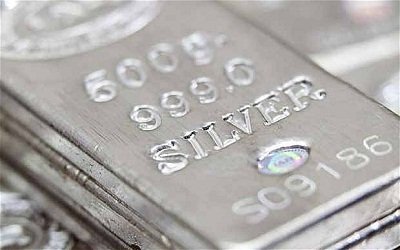
Market snapshot: Where Silver Bees Stands Today
Nippon India’s Silver ETF, commonly traded under the retail label “Silver BeES” on Indian exchanges, has recently been trading in the ₹140-₹150 range in November 2025, reflecting the broader global silver rally that took prices sharply higher year-to-date. The growth of daily volume and AUM for the fund underscores strong investor interest: both the NAV and market price of this product have risen substantially in 2025 as inflows poured into silver ETFs. These price moves mirror global trends in ETF inflows that have been record-setting this year.
Why investors are adding silver through ETF Funds: Market research highlights
- Unprecedented ETF inflows and accessibility: In 2025, global demand for silver ETFs surged as investors looked to get leverage on the metal’s industrial and monetary uses. Large net inflows into silver ETFs swelled holdings by tens of millions of ounces during the first half of the year, positioning ETFs as a primary conduit for new capital into the metal while promoting further liquidity and scale of silver investment products. That institutional validation makes Funds an attractive means for retail and wholesale investors to participate in.
- Supply constraints + industrial demand: Analysts also believe that constrained mine supply, combined with growing industrial consumption of silver for photovoltaics, electronics, and speciality chemicals, a key structural support for the price. When supply tightens while investor interest ramps up, ETF Funds that hold physical metal can see premiums and stronger performance versus paper proxies, something that was observed in India during 2025, where domestic premiums periodically widened.
- Portfolio diversification and inflation hedge. Modern portfolio studies have shown that adding a small precious metals allocation can help reduce drawdown risk during equity sell-offs while offering upside in inflationary regimes. Due to its dual role as an industrial commodity and monetary metal, silver exhibits a unique correlation profile relative to equities and bonds, making ETF funds the preferred tactical or strategic exposure vehicle.
- The Silver Institute Product innovation and scale: As the AUM of silver ETFs grew rapidly both in India and globally, execution became cheaper and easier. Flagship funds crossed notable AUM milestones in 2025 and gave the market greater depth, where large and small investors could move in and out with much greater efficiency through the ETF Funds rather than manage physical metal themselves.
Risks investors should consider
Volatility: Historically, silver has shown greater percentage swings than gold. Therefore, ETF funds tracking silver amplify short-term pain.
Premiums and local supply frictions, as noted during festival or seasonal demand in India, can also temporarily distort returns. Regulatory or trading halts-for instance, some asset managers briefly restricted new lump-sum inflows into silver funds in October 2025, citing supply/premium issues-are other operational risks to watch out for. Diversification, position sizing, and an investment horizon aligned with silver’s cyclicality are helpful in managing these risks.
Bottom line
For investors considering a precious-metal sleeve, Silver Bees Share Price movements and the broader boom in ETF Funds show that silver is no longer a niche play. In fact, ETFs offer a practical route at low costs to the metal – but they bring volatility and operational quirks that merit careful sizing and monitoring. Whether as a tactical hedge or a small strategic allocation, silver via ETF Funds can complement traditional portfolios so long as investors treat it as a volatility-prone, cyclical commodity and plan around that reality.

Santosh Kumar is a Professional SEO and Blogger, With the help of this blog he is trying to share top 10 lists, facts, entertainment news from India and all around the world.