
Most people think a septic tank is just a storage pit for waste. Add a cleaner. Forget about it.
That’s not how it works.
A septic tank is a living system. Inside it, beneficial bacteria are constantly breaking down waste in real time. And the septic tank cleaner liquid you use directly affects this process.
Keeping a septic tank “clean” doesn’t mean pouring in harsh chemicals. In fact, those can kill the good bacteria and slow everything down. That’s why choosing the right septic tank cleaner liquid matters. A lot.
In this section, we’ll break down how the right septic tank cleaner liquid supports natural waste breakdown and why the wrong one can do more harm than good.
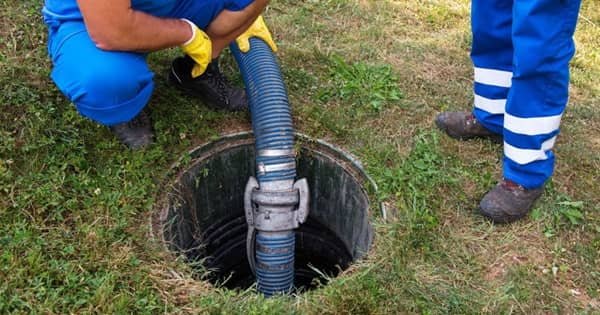
Understanding the Natural Waste Breakdown Process in Septic Tanks
Before we get into tank cleaner liquids, we need to first understand how the septic tank cleaning process actually works, or, more like, how the natural waste breaks down in septic tanks in the first place.
Firstly, we know what the septic tank is; it is where the waste you flush down from the toilet, the sink, or anywhere else in the house collects. That part is pretty much clear. What happens to the waste after that? Well, after the water and waste enters into the septic tanks, it generally separates into three layers.
- Sludge (heavy solids)
- Effluent (liquid middle layer)
- Scum (fats, oils, grease)
Now after this separation, bacteria plays a big role in it, namely the anaerobic bacteria. These bacteria are also called the engine of decomposition and are responsible for the breakdown of the waste matter. They break down:
- Fecal matter
- Proteins
- Fats and grease
- Cellulose-based materials
This produces methane as a byproduct. This natural breakdown slows down over time because solids accumulate excessively, and modern household chemicals end up disrupting bacteria, which is why a good septic tank cleaner liquid is really important.
What Is a Septic Tank Cleaner Liquid?
A septic tank cleaner liquid is a product designed to help your septic system manage waste more efficiently. Its main job is to break down the solid waste that builds up inside the tank over time.
Most septic tank cleaners work in one of two ways. Some use beneficial bacteria or enzymes to naturally digest waste. Others rely on strong chemicals to break it down faster. While the methods differ, the goal is the same: prevent waste buildup, avoid blockages, and keep the system running smoothly—without foul odours or messy backups.
| Type | What It Does | How It Works | Why It’s a Problem / Benefit |
| Chemical drain cleaners | Force-clears clogs | Uses harsh chemicals to dissolve or burn organic matter | Kills good bacteria, can damage pipes, and disrupts the septic system’s natural balance |
| Basic bacterial additives | Adds new bacteria | Introduces lab-grown microbes into the tank | Helps a little, but many added bacteria don’t survive or compete well with existing ones |
| Bio-accelerator liquids | Boosts what’s already there | Multiplies native bacteria and activates enzymes | Works with the system, speeds up breakdown, and supports long-term health |
Role of Septic Tank Cleaner Liquids Across the Entire System
Now, it is clear what septic tank cleaner liquids are, so it’s time to understand the role of septic tank cleaner liquids across the entire system.
Inside the Septic Tank
Septic tank cleaner liquids help break down sludge and waste by supporting natural bacteria. This keeps sludge and scum from thickening, improves solid–liquid separation, and reduces odour by allowing gases to escape properly.
Pipes and Inlet/Outlet Lines
Over time, grease and waste can build up in pipes and restrict wastewater flow. A good septic tank cleaner liquid helps break down this buildup in both inlet and outlet lines, keeping everything moving smoothly.
Drain Field and Soil Absorption Area
In the drain field, wastewater is filtered back into the soil. The right cleaner helps prevent biomat formation, which can clog the drain field, cause backups, bad smells, and even attract drain flies or mosquitoes.
Key Benefits and Important Cautions
| Topic | What It Means |
| Faster waste breakdown | Organic solids break down more efficiently, so sludge builds up more slowly |
| Fewer odors and clogs | When waste digests properly, smells decrease and pipes stay clearer |
| Healthier drain field | Better-treated liquid flows into the soil more evenly, reducing stress on the drain field |
| Lower long-term maintenance | Slower buildup can mean fewer emergency issues and better system longevity |
| Avoid harsh chemicals | Strong cleaners can kill helpful bacteria and reverse any progress |
| Not a quick fix | These products help over time, but won’t repair damaged or failed systems |
| Pumping still matters | Even a well-working system needs regular pumping to remove non-digestible solids |
| What studies say | Research on additives is mixed, but bio-based enhancers show focused benefits when used properly |
Conclusion
A septic tank is not just a storage tank. It’s a living system with an active ecosystem of beneficial bacteria that naturally break down waste.
A good septic tank cleaner liquid plays a big role in enhancing the number of beneficial natural bacteria and maintaining the balance of the system.

Santosh Kumar is a Professional SEO and Blogger, With the help of this blog he is trying to share top 10 lists, facts, entertainment news from India and all around the world.