

Yoga has gradually evolved into a practical lifestyle practice that supports both physical awareness and emotional balance. In modern routines, individuals often integrate movement, breathwork, and mindfulness into short daily sessions to manage stress, improve focus, and maintain consistency in wellness habits. Within this context, practices like daily yoga for chakra and natural yoga for hair growth are often explored as part of structured yet flexible self-care routines.
Rather than being treated as a rigid discipline, yoga is now adapted into daily life in a way that supports accessibility. People often use it during mornings for grounding, evenings for relaxation, or even short breaks during busy schedules. This adaptability is one of the main reasons yoga continues to remain relevant across different age groups and lifestyles.
Why Chakra-Based Yoga Practices Support Inner Awareness
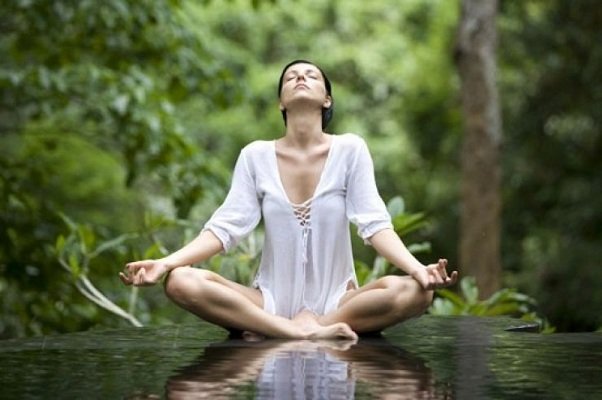
Chakra-focused yoga routines are commonly practiced by individuals seeking better emotional awareness and internal balance. A mindful yoga for chakra approach is often used in calm environments where attention is directed toward breath control and slow movement patterns.
These sessions typically involve seated postures, gentle stretches, and guided breathing techniques that help individuals slow down mental activity. Over time, this type of practice supports improved focus and a more stable emotional state during daily routines. Many practitioners prefer incorporating such sessions in early mornings or quiet evening hours, as it helps them build consistency without external distractions.
The simplicity of these practices allows individuals to maintain regular engagement without physical strain, making them suitable even for beginners exploring yoga for the first time.
How Hair-Focused Yoga Practices Fit Into Modern Self-Care Routines
Hair-focused yoga practices are often included in wellness routines that prioritize relaxation and stress management. A relaxing yoga for hair growth approach is typically used after long working hours or during personal care routines designed to release physical and mental tension.
These practices usually include gentle neck movements, slow stretching, and controlled breathing exercises. The goal is not intensity but relaxation and improved circulation awareness through movement. Many individuals integrate such sessions into their evening routine as a way to unwind from daily stress.
Over time, this consistent relaxation-based practice becomes part of a larger self-care system that supports overall well-being. It also encourages individuals to become more mindful of posture and tension buildup in the upper body, especially after long hours of screen exposure.
What Makes Chakra and Hair-Focused Yoga Practicals Different in Approach
Although both practices are rooted in movement and breath awareness, their intent and focus differ in structure. Chakra-based routines are more centered around internal awareness, while hair-focused practices lean toward relaxation and physical release.
A holistic yoga for chakra routine often emphasizes mental stillness and breath coordination, helping individuals develop a deeper sense of internal alignment. On the other hand, hair-focused yoga routines prioritize loosening physical tension and promoting relaxation through gentle movement.
Despite these differences, both approaches share a common foundation: consistency and mindful engagement. This makes them suitable for integration into daily life without requiring long training sessions or advanced flexibility.
How Yoga Practices Fit Into Daily Lifestyle Patterns
One of the main strengths of yoga is its adaptability to modern schedules. Both chakra-based and hair-focused routines can be practiced in short durations, making them easy to incorporate into everyday life.
Common lifestyle integration patterns include:
- Morning sessions for mental clarity and focus
- Evening routines for relaxation and recovery
- Short breaks during work hours for posture reset
- Pre-sleep sessions for calming the nervous system
This flexibility allows individuals to choose timing based on energy levels and availability rather than strict schedules. As a result, yoga becomes a sustainable habit rather than a structured obligation.
Over time, this adaptability helps individuals build consistency, which is more important than intensity when it comes to long-term wellness outcomes.
How Long-Term Practice Builds Stability and Mind-Body Connection
Long-term engagement with yoga helps individuals develop better awareness of both physical posture and emotional responses. Regular practice improves breath control, reduces accumulated tension, and supports more stable movement patterns in daily activities.
With continued practice, individuals often notice improved coordination between mental focus and physical relaxation. This balance helps reduce stress-related discomfort and encourages a more mindful approach to daily habits such as sitting, walking, and working.
Ultimately, yoga becomes less of a structured activity and more of a lifestyle practice that evolves with the individual’s needs over time. This gradual transformation is what makes it a sustainable wellness approach.
Conclusion: How Yoga Becomes a Sustainable Part of Everyday Living
Yoga continues to remain relevant because it adapts easily to different personal needs and lifestyles. Whether practiced through chakra-focused routines or hair-oriented relaxation sessions, it supports both mental clarity and physical ease.
With consistent engagement, yoga shifts from being a planned activity to a natural part of daily living. It encourages individuals to maintain balance, manage stress more effectively, and build a long-term connection between movement and mindfulness in everyday life.

Santosh Kumar is a Professional SEO and Blogger, With the help of this blog he is trying to share top 10 lists, facts, entertainment news from India and all around the world.