
In maritime logistics, the scope is not limited to the transportation of goods but also covers managing ports and handling cargo. When you look back at this industry almost a decade ago, you will find that many logistics tasks were done manually, leading to frequent delays, errors, and higher expenses.
Digital transformation is revolutionising this industry by introducing automated systems, real-time tracking, and data-driven decision-making. For shipping companies, ports, and freight handlers, utilising these digital tools enhances efficiency, provides stronger operational control, and enhances service for customers.
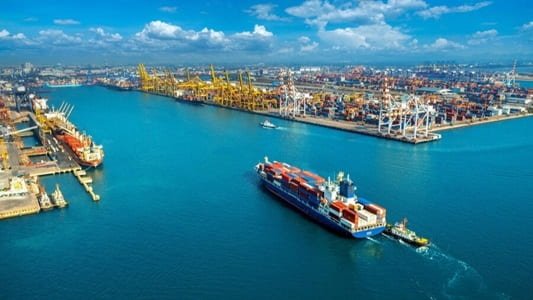
Digitalisation trends in maritime logistics
Here is how digitalisation is helping maritime logistics:
IoT Sensor
In maritime logistics, IoT sensors track ships, containers, and the conditions of cargo. They help monitor temperature, humidity, location, and vibration levels. For example, if your refrigerated cargo shows a sudden temperature rise due to equipment failure, the sensor alerts you immediately.
Recording this data can help fire insurance policy providers verify the information and also allow them to speed up the claim settlement process without any disputes.
Blockchain
Blockchain records every step of a shipment on a digital ledger. When you ship goods, each transaction, from loading at the port to delivery, is logged in real time. This creates a transparent trail that cannot be altered.
For example, if a container is damaged, you can provide blockchain records showing when and where it was handled. This will help the marine property insurance company process your claim faster and prevent fraud.
Autonomous vessel
Although not very common, autonomous vessels operate without a crew on board. They rely on advanced sensors, GPS, and AI systems for navigation. You can imagine a cargo ship leaving the port fully guided by software, which monitors weather, sea currents, and nearby vessels in real time. If it detects obstacles or changes in conditions, it automatically adjusts its route. The benefits include reduced fuel consumption, faster shipment, and elimination of human error.
Digital twins
Digital twins are basically virtual replicas of ships, cargo, or port operations. They mimic real-time conditions of the ship with the help of data from sensors and IoT devices.
With a digital twin, you can easily track the position of the vessels, monitor engine performance, and predict maintenance needs without the need for physical inspection. For example, if a container ship shows signs of engine overheating in the digital twin, you can schedule repairs before a breakdown occurs.
The virtual simulation allows you to optimise routes, manage fuel, and improve overall operational safety.
AI Analytics
AI analytics helps you make smarter decisions by processing vast amounts of shipping data. It examines patterns such as vessel routes, weather conditions, and port congestion to predict delays or optimise fuel usage. For example, if your cargo ship is scheduled to dock at a busy port, AI can analyse historical traffic and suggest an alternative route or arrival time. Acting on this advice can help you save both fuel and time.
Cloud platforms
Cloud platforms are basically a central hub where all shipping data is stored and accessible in real time. When managing cargo shipments, it is the cloud that allows you to track vessel locations, monitor inventory, and share documents instantly with ports, carriers, and customs. For example, if your container is delayed because of weather, a cloud-based system automatically updates everyone and, based on the information, the concerned parties can adjust schedules and avoid penalties.
Smart contracts
Smart contracts automate and secure transactions without intermediaries. Imagine you are shipping goods from Mumbai to Rotterdam. A smart contract is set to release payment automatically once the shipping company updates the tracking system to confirm delivery at the port. You, as the buyer, and the shipping firm agree on conditions such as delivery date and cargo status. The contract executes automatically when these conditions are met
Big data analytics
The maritime industry churns a large volume of data from different segments. These numbers are related to ship performance, fuel consumption, weather updates, and other relevant factors. Big data analytics helps make sense of this information and turns it into useful insights. Shipping companies utilise it to plan more efficient routes, manage their inventory, and reduce costs. Ports also study past traffic data to improve their infrastructure and avoid congestion.
Challenges in digital transformation
While there are no second thoughts on the benefits of digital transformation, the maritime industry still faces challenges in adoption. The reason? High execution costs, lack of a skilled workforce, and legacy systems resistant to integration.
Cybersecurity is another major concern. Relying on ship and port-related data that is fed into the system makes it vulnerable to cyberattacks. Furthermore, maintaining standardisation across stakeholders, such as shipping companies, ports, and customs authorities, remains a complex task.
Conclusion
Digital transformation is no longer optional for maritime logistics; it is a necessity. From IoT and AI to blockchain and automation, technology is revolutionising every aspect of shipping, port operations, and cargo management. Besides helping exporters, importers, and logistics companies, these technologies are also helping insurers operating in the maritime sector. The availability of accurate data reduces the risk of fraudulent claims and speeds up the claim approval process.

Santosh Kumar is a Professional SEO and Blogger, With the help of this blog he is trying to share top 10 lists, facts, entertainment news from India and all around the world.