The 2026 Actor Awards turned into a night of strong performances, emotional speeches, and a few genuinely surprising wins. From major film victories to powerful television moments, the ceremony reflected a year where character-driven storytelling clearly led the way.
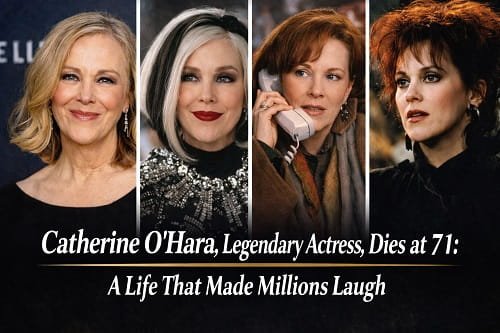
Big names like Michael B. Jordan and Jessie Buckley took top acting honours in film, while television was dominated by ensemble favourites such as The Pitt and The Studio. But perhaps the most talked-about moment of the evening was the posthumous award presented to Catherine O’Hara, which left the audience visibly emotional.
This year’s awards weren’t just about trophies. They felt like a reflection of where storytelling is heading — intimate, layered, and deeply human.
Film Winners: Performance Over Spectacle
Michael B. Jordan’s win for Best Male Actor in a Leading Role was one of the night’s most anticipated announcements. His performance this year was widely praised for its intensity and restraint. Rather than relying on physical transformation alone, Jordan delivered something emotionally grounded. Critics noted how he balanced vulnerability with power — a difficult combination that likely helped secure his victory.
Jessie Buckley, meanwhile, continued her steady rise as one of the most respected performers of her generation. Her winning role showcased quiet grief and emotional nuance, proving once again that subtle acting often leaves the deepest impact. Buckley’s speech was short but heartfelt, thanking collaborators and emphasising the importance of trust between actors.
Supporting categories also reinforced a trend: seasoned performers reclaiming centre stage. The awards leaned toward experience and depth rather than breakout buzz.
What stood out in the film section was the absence of flashy franchise dominance. Instead, the focus stayed firmly on character studies and layered narratives. It was a reminder that even in an era of big-budget spectacles, strong acting still commands attention.

Television’s Big Night: Ensembles Take the Spotlight
Television arguably had the loudest applause of the night. The Pitt won Best Drama Ensemble, a significant achievement for a series that built its audience through tight writing and character tension rather than flashy twists. The cast’s acceptance speech highlighted collaboration, calling the show a “team effort from script to screen.”
On the comedy side, The Studio took home Best Comedy Ensemble. The series has earned praise for blending satire with emotional realism — a balance that audiences have clearly connected with. Its win signals that smart comedy, grounded in character rather than gimmicks, still has room to thrive.
Individual television acting awards followed a similar pattern. Rather than rewarding hype-driven performances, voters appeared to favour consistency and emotional authenticity.
The Most Emotional Moment: Catherine O’Hara’s Posthumous Win
The ceremony shifted tone when Catherine O’Hara was announced as the winner of Best Female Actor in a Comedy Series. Her performance this year had already earned acclaim, but her passing gave the award deeper meaning.
The standing ovation that followed was long and sincere. Colleagues described her as generous, fearless, and endlessly inventive. It wasn’t just a tribute to one role — it was recognition of a career that shaped modern comedy.
Posthumous wins often feel symbolic, but this one felt earned. The audience response suggested genuine respect rather than sentimentality. It became the defining image of the evening.
Special Honours and Legacy
Veteran actor Harrison Ford received a lifetime achievement honour, celebrating decades of contributions to film. His speech reflected on longevity in an industry that changes constantly. He spoke about risk, patience, and the importance of staying curious — advice clearly directed at younger performers in the room.
This blend of new-generation winners and industry legends gave the ceremony balance. It didn’t feel nostalgic, but it also didn’t ignore history.
What the 2026 Actor Awards Really Showed
Looking at the full winners’ list, one theme becomes clear: audiences and voters are gravitating toward grounded storytelling. Big performances this year weren’t necessarily loud. They were careful, layered, and emotionally honest.
The dominance of ensembles in television also signals a shift away from single-star vehicles. Viewers seem to value collective storytelling more than ever.
For film, the wins suggest that complex character roles still hold prestige, even as streaming platforms and blockbuster franchises dominate the wider market.
Conclusion: A Night Defined by Craft and Respect
The 2026 Actor Awards were not about spectacle. They were about craft. Michael B. Jordan and Jessie Buckley’s wins reinforced the power of committed performances. The Pitt and The Studio highlighted the strength of ensemble storytelling. And Catherine O’Hara’s posthumous honour reminded everyone why acting, at its best, leaves a lasting imprint.
In a year crowded with content, these awards cut through the noise. They celebrated work that felt personal, deliberate, and meaningful — and that may be the most encouraging sign of all for the future of film and television.

Satyakam is a seasoned professional content writer with over 15 years of experience in creating high-quality, research-driven content for digital platforms. He specialises in business, finance, banking, law, technology, and informational blogs.