The movie is chosen, the snacks are sorted, and someone has volunteered to bring a projector. Then the group chat produces its most difficult question: what should the invitation look like? A forwarded screenshot from a streaming service feels boring. Copying the original film poster feels even less personal. A better idea is to design a playful poster starring your own movie-night theme, with room for the date, venue, and a few jokes your friends understand. Visual creation platforms such as Banana Pro AI, now operating as Pixomi AI, can help you create or restyle an illustration for that invitation. You still need to supply the humor, the important information, and the final layout. The result should feel like something made for your group, not a low-quality imitation of a studio advertisement.
Start With the Evening, Not the Movie Artwork
Think about what makes your movie nights different from everyone else’s. Maybe the host always burns the popcorn, one friend arrives with an enormous blanket, or the group insists on debating every plot twist afterward. These details are much more useful than asking for a generic “cinematic poster.”
Choose a theme that suggests the mood without copying a recognizable film campaign. A detective movie night could feature a mysterious missing remote control. A space marathon might show a sofa floating through a cheerful illustrated galaxy. A comedy evening could turn the snack table into a dramatic red-carpet entrance.
Give your homemade event a title that belongs to you: “The Case of the Missing Popcorn,” for example. Avoid using protected film logos or promotional artwork as though your gathering were an official event. A personal parody or tribute can be fun, but an original setting is usually easier to design and share confidently.
Build an Image That Leaves Room for the Details
A poster has two jobs: grab attention and convey information. If the artwork fills every corner, there will be nowhere to put the time or address. Decide on the text area before creating the picture. Leave open wall space, a dark sky, or a simple background in the part of the frame where your title will go.
Pick one main subject. It might be a giant popcorn bucket in a cinema aisle or a sleepy cat sitting in the director’s chair. Add no more than a couple of supporting objects. A room full of floating tickets, cameras, stars, film reels, and snacks can look busy even before the event details appear.
Consider where the poster will be viewed. A portrait layout works well in a messaging app, while a wide version might suit a television display before the film begins. Keep the subject large enough that the image still reads when reduced to a phone-sized preview.
Four Moves From Joke to Finished Poster
The following process is designed for someone who wants one memorable invitation, not an entire design course. Work on the illustration first, then add accurate lettering as a separate step.
- Write a Short Visual Story
Describe an action that fits your inside joke. For example: “A towering bucket of popcorn stands under a spotlight on a tiny theater stage; one spilled kernel sits in the front row like a disappointed critic.” That description is clearer than stacking adjectives such as epic, amazing, and ultra-cinematic.
Specify the mood and composition. Ask for a playful illustrated style, a centered subject, warm theater lighting, and empty space above the stage.
- Try Two Styles That Actually Differ
Make one image like a vintage hand-painted comedy poster and another like a clean contemporary cartoon. Compare which version makes the joke readable faster.
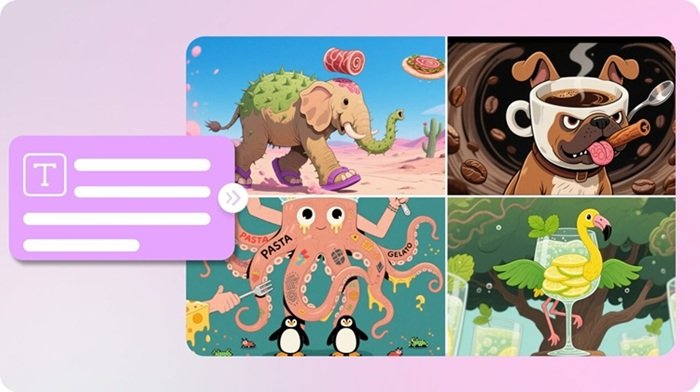
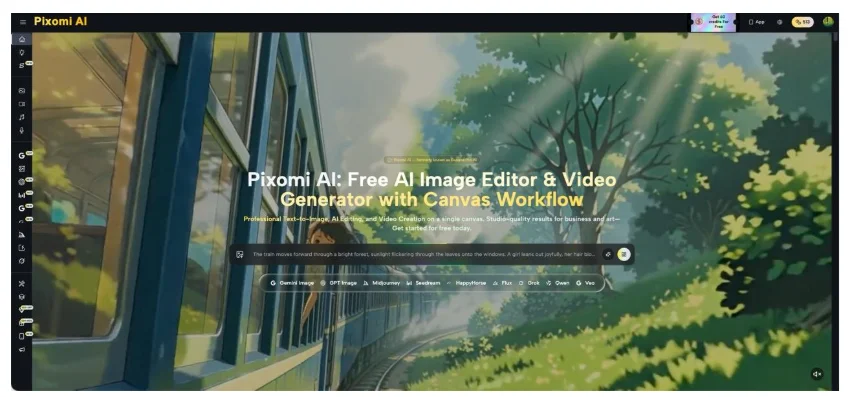
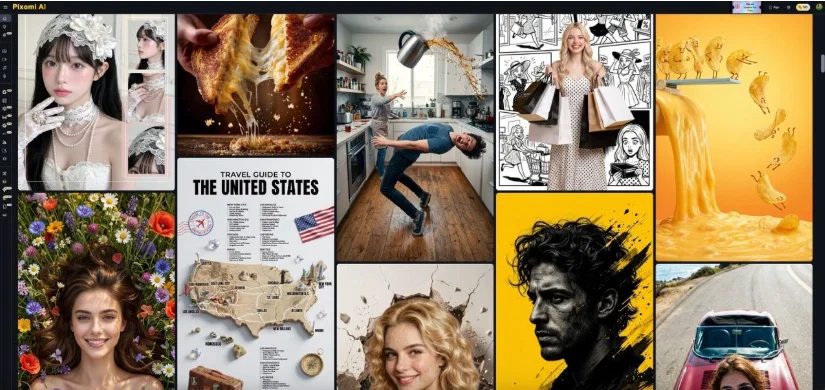
Pixomi AI publicly offers text-to-image generation and reference-based image editing. Its Studio materials also mention Nano Banana Pro among available image models. You might start with a written description, then explore a revised visual style, but check each result for unwanted objects and strange details.
- Put the Essential Words in Place
Use a graphic editor to add the event title, date, start time, and address or location instructions. Keep the hierarchy obvious: title first, date second, smaller details last. A funny tagline is optional; directions for finding the apartment are not.
If you invite people outside your usual group, include contact information only where you intend it to be shared. Do not post a private home address publicly just because the design looks good on social media.
- Test the Poster in the Group Chat
Send a preview to one friend who did not help design it. Ask what kind of night it announces and when they think it starts. If they miss the date, enlarge it. If they mistake the artwork for a film advertisement, make the event identity more prominent.
Check the invitation on a small phone screen before sending the final version.
Small Details That Make a Homemade Poster Better
Some of the most memorable invitations contain a single custom touch. Add a playful age rating for the snack selection, such as “Rated P for Popcorn,” or credit the friend who always handles the projector as “Chief of Screen Operations.” Make sure those jokes do not crowd out the event information.
You can also design a matching ticket or a tiny sign for the snack table using the same two colors and main illustration. Repeating one visual motif gives the party a theme without requiring elaborate decorations. A printout placed near the entrance is often enough to make the evening feel special.
Keep the materials appropriate for your audience. For a family movie night, a colorful detective cat may work better than a frightening realistic scene. For friends who love old action films, a dramatic poster featuring ordinary household objects could be the funniest option.
Know What Should Stay Original
There is a difference between celebrating a genre and copying promotional material. A shadowy doorway and bright detective-style lettering can evoke mystery without reproducing a particular movie poster. A hand-drawn spaceship is more personal than placing a famous actor’s face into a fake endorsement.
Avoid suggesting that your event is officially associated with a film studio or celebrity. If you use a friend’s likeness, get their permission before creating or sharing an edited image. Review the final picture for accidental text, misleading labels, and details that may offend someone in the group.
The best poster is not necessarily the most realistic. It is the one that communicates the event clearly, earns a smile, and still looks good when someone saves it in their photos.
Conclusion
A movie-night invitation becomes more fun when it reflects the people attending instead of borrowing the film’s existing advertisement. Start with a running joke or familiar group habit, turn it into one visual scene, and choose a style that suits the evening. Image generation can provide a starting illustration, but careful lettering and a readable layout make it useful. Keep dates and directions accurate, avoid misleading film branding, and test the result at phone size before sharing. You do not need a complex design or dozens of versions to make something people remember. One clear image, a good joke, and the right details are enough. If the group enjoys the result, print a copy and let everyone sign it after the film. It becomes a keepsake rather than another forgotten chat attachment. Pick your group’s funniest tradition and give it a poster of its own.

Santosh Kumar is a Professional SEO and Blogger, With the help of this blog he is trying to share top 10 lists, facts, entertainment news from India and all around the world.