
Electrical installations do not always follow straight, fixed routes. Machinery, control panels and other equipment may require wiring that can bend, move or fit into tighter spaces. Flexible cables are designed for these situations, combining electrical performance with the ability to handle movement and physical stress.
Built for movement
Flexible cables are useful where wiring may need to bend or move during installation or operation. Their construction allows them to adapt to changing routes without relying on the rigid form associated with conventional fixed wiring. This can be useful in homes, businesses and industrial environments where available space or equipment layout can make routing more demanding.
Movement is not the only consideration. Vibration, repeated handling, heat and surrounding conditions can also influence cable performance. The choice therefore needs to account for how the cable will be installed and what it is likely to encounter during service.
More cores, one route
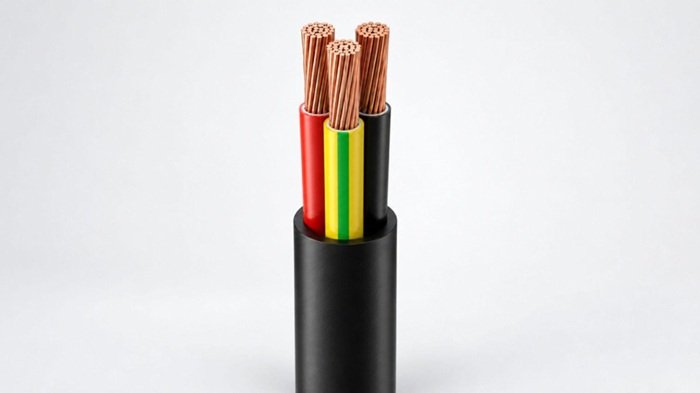
Multicore cables bring several conductors together within a single cable. This arrangement can support the transmission of power or signals for multiple circuits while keeping the wiring grouped along one route. It can be useful in control panels, automation systems and machinery where several connections need to be managed together.
Different applications call for different core arrangements. Power versions may be available in two-, three- and four-core configurations, while control versions can have a higher number of cores. The required size and configuration depend on the electrical function and installation requirements.
Where they fit
The combination of flexibility and multiple cores can be useful across a range of applications. Flexible multicore designs can support building wiring, manufacturing equipment, control systems, automation setups and power-related installations. Their ability to accommodate movement can also simplify routing around equipment and within areas where space is limited.
The surrounding environment still matters. Exposure to moisture, abrasion, temperature changes or mechanical stress can affect the cable, so the construction should match the conditions in which it will operate. Installation practices should also follow the cable’s specified requirements.
What to check
Technical specifications provide a useful basis for selecting a cable. Conductor size, number of cores, insulation, voltage rating and intended application should be reviewed together rather than considered separately. Where a cable will experience movement or physical stress, its flexibility and durability also need attention. Standards and installation requirements are worth checking alongside the cable specifications.
Conclusion
Flexible cable design can make electrical connections easier to route where movement, space or equipment layout creates practical challenges. Multicore construction adds another layer of convenience by bringing several conductors together within one cable. They can make wiring layouts easier to organise when several power or control connections follow the same route.
The right choice depends on the purpose of the circuit, required core arrangement and conditions at the installation site. Reviewing technical specifications alongside installation requirements can help establish whether a flexible multicore design is appropriate for the intended use.

Santosh Kumar is a Professional SEO and Blogger, With the help of this blog he is trying to share top 10 lists, facts, entertainment news from India and all around the world.