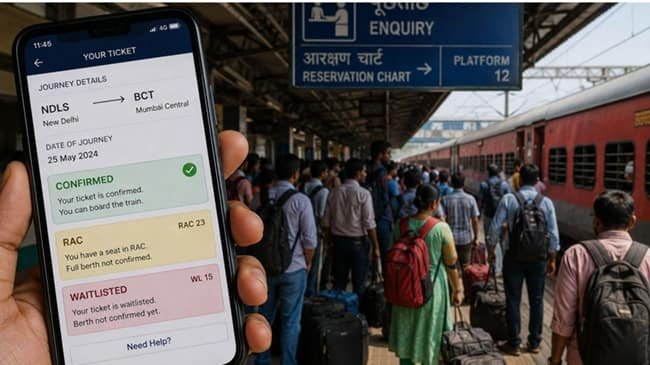
The biggest challenge in trip management is not the lack of tools but the lack of connection between them. Many companies still handle travel bookings and expense reporting through separate systems, often managed by different teams. What starts as an attempt to stay organized ends up creating gaps where information doesn’t flow smoothly. Employees book travel in one place, track expenses in another, and finance teams are left trying to piece everything together.
This disconnect leads to inefficiencies that go beyond inconvenience. According to GBTA, nearly 19% of expense reports contain errors, often due to manual entry and mismatched data between systems. These errors are not just minor issues; they slow down approvals, create confusion, and sometimes even lead to compliance risks. When systems don’t communicate, the entire process becomes heavier than it needs to be.
Why Travel and Expense Are Often Managed Separately
In many organizations, travel and expense processes evolved at different times, which is why they still operate in silos. Travel systems were introduced to manage bookings, approvals, and vendor relationships, while expense tools came later to track spending and reimbursements. Since they were never designed to work together from the start, integration often feels like an afterthought rather than a priority.
Another reason for this separation is ownership. Travel is usually handled by HR or admin teams, while expenses fall under finance. With different goals and workflows, aligning both systems requires effort that many companies postpone. Over time, this gap becomes normalized, even though it creates friction for employees and finance teams alike.
The Problems This Separation Creates
When travel and expense systems don’t align, employees end up doing extra work. They might book a flight through one platform but still need to manually upload receipts and fill in details elsewhere. This duplication increases the chances of mistakes and makes the process feel unnecessarily complicated.
For finance teams, the challenge is even bigger. Without a unified view, tracking spending becomes reactive instead of proactive. It becomes harder to enforce policies, identify trends, or control costs effectively. What could have been a streamlined workflow turns into a process filled with back-and-forth communication and delays.
Another issue that often goes unnoticed is the lack of real-time visibility. Since data is scattered, decision-makers don’t always have a clear picture of travel spend until much later. This delay can affect budgeting and planning, especially in companies where travel forms a significant part of operational costs.
How Expense Management Software Solves These Issues
This is where a corporate travel manager starts to make a noticeable difference. Instead of treating expenses as a separate step after travel, they use modern systems to bring both elements closer together. These systems allow data from bookings to flow directly into expense reports, reducing the need for manual input.
Automation plays a big role here. When receipts are captured digitally and matched with transactions automatically, the chances of errors drop significantly. Employees spend less time on paperwork, and finance teams receive cleaner, more accurate data. It doesn’t just speed up the process; it also makes it more reliable.
Another advantage is policy integration. When travel bookings and expenses are connected, companies can ensure that employees stay within approved limits from the start. This reduces the need for corrections later and creates a smoother experience for everyone involved.
The Benefits of Integrated Systems
When travel and expense systems work together, the entire workflow becomes more intuitive. Employees don’t have to switch between platforms or remember multiple steps. Everything they need is available in one place, which reduces confusion and saves time.
From a financial perspective, integration brings clarity. Companies can track spending in real time, making it easier to manage budgets and identify patterns. Instead of waiting for reports to be submitted, finance teams can monitor activity as it happens and respond quickly when needed.
There is also a noticeable improvement in compliance. When policies are built into the system, employees are guided toward the right choices without needing constant reminders. This reduces policy violations and makes audits less stressful.
Why Employees Prefer Simpler Processes
For employees, the experience of managing travel and expenses often shapes how they feel about business travel itself. If the process is complicated, it adds unnecessary stress to an already busy schedule. On the other hand, a simple and clear system makes everything feel more manageable.
Most employees don’t want to spend time filling out forms or chasing approvals. They want a process that works quietly in the background, allowing them to focus on their actual work. When systems are integrated, this becomes possible because there are fewer steps and fewer chances for confusion.
Another factor is trust. When reimbursements happen quickly and without issues, employees feel more confident in the system. This might seem like a small detail, but it has a real impact on overall satisfaction and productivity.
How MyBiz Brings Travel and Expense Together
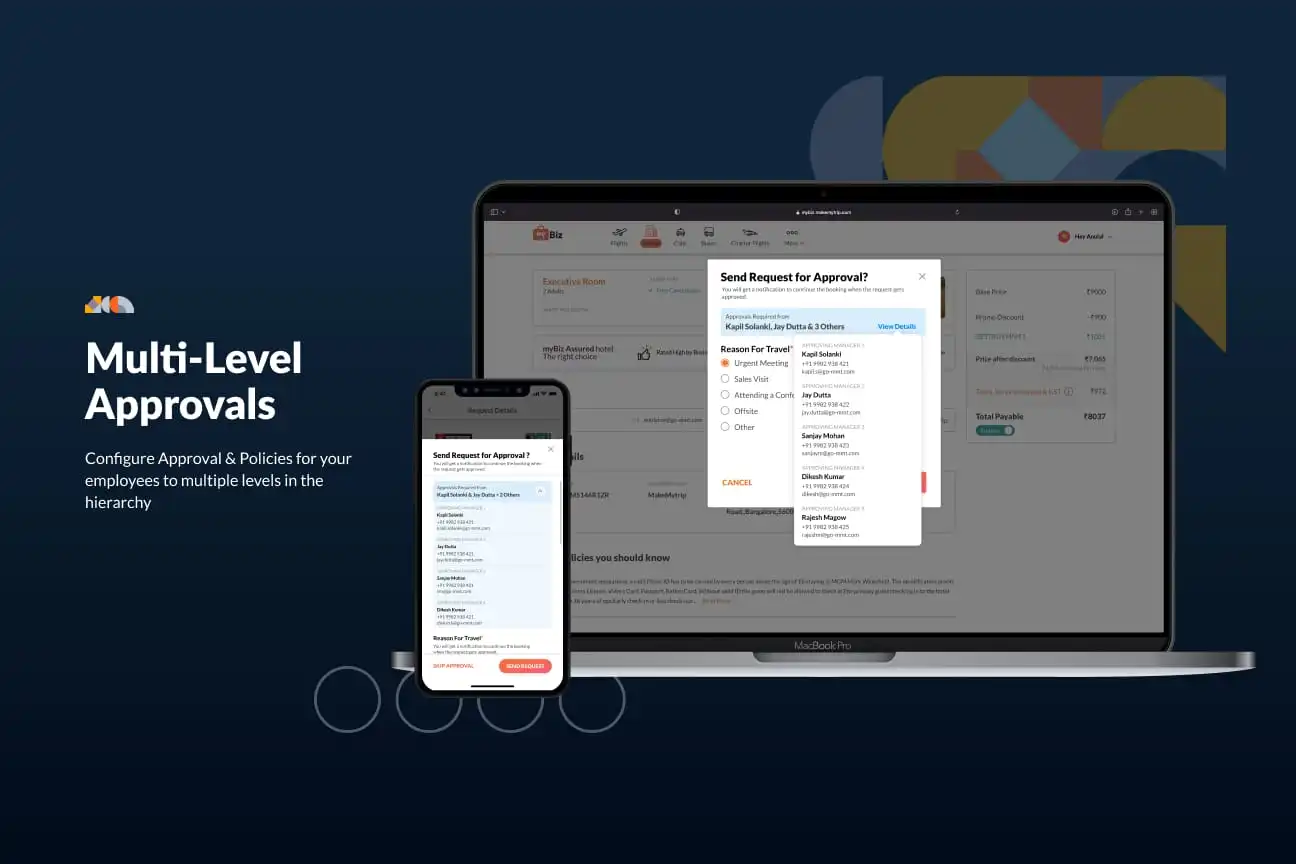
MyBiz approaches this challenge by treating travel and expense as parts of the same journey rather than separate tasks. Instead of forcing users to adapt to multiple systems, it creates a unified experience where bookings and expenses are naturally connected.
The platform simplifies the flow of information so that details from travel bookings automatically reflect in expense reports. This reduces manual work and ensures consistency across the process. Employees don’t have to think about where to enter information because the system handles it for them.
For businesses, this means better control without adding complexity. Policies, approvals, and reporting all work within a single framework, making it easier to manage operations without constant oversight. It’s not about adding more features but about making existing processes work better together.
Building a More Transparent Financial Workflow
Transparency becomes much easier to achieve when systems are connected. Instead of relying on scattered data, companies can access a complete view of travel and expense activity in one place. This helps in making informed decisions and avoiding surprises later.
It also improves communication between teams. When everyone works with the same data, there is less confusion and fewer disagreements about numbers. Finance teams, managers, and employees all stay aligned, which reduces friction and speeds up processes.
Over time, this transparency builds trust within the organization. Employees understand expectations more clearly, and businesses gain confidence in their ability to manage costs effectively. What started as a technical improvement ends up creating a more balanced and efficient workflow.
Conclusion
Simplifying travel and expense processes doesn’t require adding more layers; it requires removing the gaps between them. When systems are connected, work becomes easier for employees and clearer for businesses. A unified approach reduces errors, saves time, and improves visibility, making the entire process feel less like a task and more like a natural part of how work gets done.

Santosh Kumar is a Professional SEO and Blogger, With the help of this blog he is trying to share top 10 lists, facts, entertainment news from India and all around the world.