
A recent outbreak of hantavirus on board a cruise ship has caught global attention, especially after reports suggested that human-to-human transmission may have occurred. The incident, discussed by the World Health Organization, involved several infected passengers and crew members, with three confirmed deaths. While the situation sounds alarming at first, health experts are urging calm and making it clear that this is not another COVID-like crisis.
What Happened on the Cruise Ship
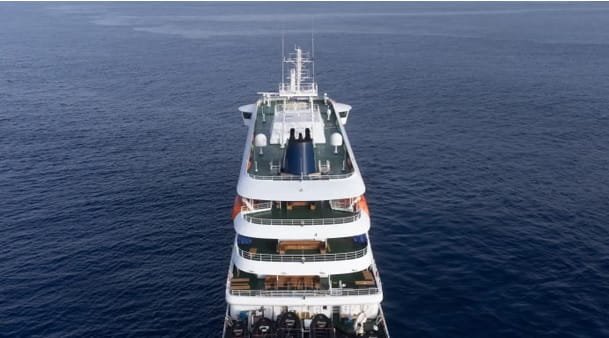
The outbreak took place on a cruise vessel traveling in the Atlantic Ocean. A small cluster of passengers began showing symptoms of illness, which were later identified as hantavirus infections. As the number of cases rose to around seven, medical teams onboard and international health authorities stepped in to assess the situation.
According to Dr. Maria Van Kerkhove from the WHO, some of the infected individuals had very close contact with each other. This raised the possibility that the virus may have spread from one person to another in a few cases. However, officials stressed that this type of transmission is not the norm for hantavirus.
Three people tragically lost their lives, while others are either recovering or under medical observation. The ship was monitored closely, and steps were taken to prevent further spread among passengers.
What Is Hantavirus?
Hantavirus is not a new virus. It has been known for decades and is typically spread through contact with infected rodents. People usually get infected by inhaling particles from rodent urine, droppings, or saliva. In rare cases, touching contaminated surfaces and then touching the face can also lead to infection.
The disease caused by hantavirus can be serious. It may lead to conditions like Hantavirus Pulmonary Syndrome (HPS), which affects the lungs and can become life-threatening if not treated in time. Symptoms often begin like the flu—fever, fatigue, and muscle aches—before progressing to breathing difficulties.
Can It Spread Between Humans?
This is the part that has drawn the most attention. Unlike viruses such as COVID-19 or influenza, hantavirus does not usually spread between people. However, there have been rare exceptions.
One particular strain, known as the Andes virus, has shown the ability to spread between humans in very close-contact situations. These include scenarios like caring for an infected partner or prolonged exposure in confined spaces.
In the cruise ship case, WHO experts have not confirmed human-to-human transmission but have stated that it cannot be ruled out. As a precaution, they are treating the situation as if limited transmission may have occurred among close contacts such as couples.
Why Experts Say the Risk Is Low
Despite the seriousness of the outbreak on the ship, health authorities are confident that this situation does not pose a major public health risk. The key reason is the nature of hantavirus itself.
Unlike airborne viruses, hantavirus does not spread easily through casual contact. You cannot catch it simply by being near someone infected. It requires very specific conditions, usually involving direct exposure to infected rodents or extremely close human contact in rare cases.
The cruise ship environment also played a role. Ships are enclosed spaces where people interact closely for extended periods. This increases the chances of any infection spreading within that limited setting. However, this does not mean the virus will spread widely outside that environment.
How This Situation Is Different from COVID-19
It is natural for people to compare any new outbreak with COVID-19, but the two are very different. COVID-19 spreads rapidly through the air and can infect large numbers of people in a short time. Hantavirus, on the other hand, is far less contagious and does not transmit easily between humans.
Additionally, hantavirus outbreaks tend to remain localized. They are usually linked to specific environmental conditions, such as areas with high rodent populations. This makes large-scale global spread highly unlikely.
Final Thoughts
The hantavirus outbreak on the cruise ship is a serious but contained event. It highlights how infections can behave differently in closed environments and why quick response from health authorities is crucial.
While the mention of possible human-to-human transmission may sound concerning, the overall risk remains low. The World Health Organization continues to monitor the situation closely and has not issued any global health warnings.
For now, there is no reason for panic. Staying informed, understanding how the virus spreads, and trusting verified health guidance are the best ways to respond to such developments.

Satyakam is a seasoned professional content writer with over 15 years of experience in creating high-quality, research-driven content for digital platforms. He specialises in business, finance, banking, law, technology, and informational blogs.