Oral communication is one of the oldest and most natural forms of human interaction. From storytelling around village fires to boardroom meetings in multinational companies, the spoken word has always been central to how people exchange ideas, make decisions, and build relationships. Even in 2025, despite the rise of artificial intelligence, digital messaging, and virtual collaboration tools, oral communication remains the foundation of personal and professional life.
Let’s explore the advantages and disadvantages of oral communication, examining its relevance in today’s world, and highlighting why it is both powerful and sometimes problematic.
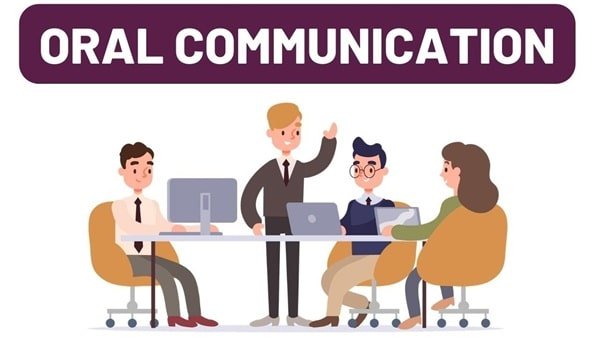
Understanding Oral Communication
Oral communication refers to the transfer of information through spoken words. It can be formal (like presentations, speeches, interviews) or informal (like casual conversations, storytelling, or daily instructions). In 2025, oral communication has also extended to virtual forms such as video conferencing, online teaching, and AI-powered voice assistants.
According to a 2024 Statista survey, nearly 68% of global employees prefer oral/video communication for teamwork, compared to emails or text-based methods. Similarly, in India, the National Skill Development Corporation (NSDC) notes that oral communication ranks among the top three soft skills employers seek in job candidates.
Advantages of Oral Communication
1) Quick and Direct
Oral communication is one of the fastest ways to exchange information. Whether it’s giving instructions at work or solving a family issue, a quick conversation avoids the delays of drafting, sending, or waiting for written replies. In business, this immediacy saves both time and resources.
2) Builds Personal Connection
Spoken words carry tone, emotion, and warmth — elements that written communication often lacks. A face-to-face discussion or even a phone call can help build trust and reduce misunderstandings. This is why leaders, teachers, and managers still prefer oral communication when motivating or guiding people.
3) Clarity Through Feedback
When speaking directly, listeners can immediately ask questions or seek clarification. This two-way feedback loop ensures that confusion is minimized. For example, in classrooms across India, teachers rely heavily on oral explanations and student questions to ensure effective learning.
4) Cost-Effective
Oral communication requires little to no financial investment. A simple meeting, call, or group discussion can replace lengthy reports or expensive digital campaigns. In rural India, where literacy levels may still be a barrier, oral communication remains the most practical way to share important information.
5) Effective in Emergencies
In urgent situations — like medical crises, fire hazards, or disaster management — oral communication is the quickest way to alert and coordinate people. This advantage became evident during India’s Cyclone Michaung (2023), when authorities relied on oral announcements through community loudspeakers to warn coastal populations.
6) Encourages Teamwork and Collaboration
In workplaces, oral communication fosters brainstorming, collaboration, and group decision-making. A Harvard Business Review study (2024) revealed that teams using oral discussions for problem-solving were 32% more effective than those relying only on written reports.
7) Suits People with Low Literacy Levels
In India, where the literacy rate stands at around 79% (2025 estimate, UNESCO), oral communication remains an inclusive tool. Government campaigns like “Poshan Abhiyaan” or “Swachh Bharat” often rely on verbal outreach methods like street plays, radio announcements, and public addresses.
Disadvantages of Oral Communication
1) Lack of Permanent Record
Unlike written communication, oral messages do not leave a permanent trail unless recorded. This makes it hard to revisit past conversations for accountability. For instance, workplace instructions given orally may be forgotten, leading to confusion.
2) Misunderstandings and Ambiguity
Tone, accent, or speed of speaking can lead to misinterpretation. In multilingual countries like India, where more than 22 official languages and hundreds of dialects are spoken, oral communication sometimes fails due to language barriers.
3) Not Suitable for Long or Complex Information
Oral communication is effective for short instructions but less reliable for lengthy or technical details. Explaining financial reports, legal documents, or medical procedures orally may lead to errors unless supplemented with written records.
4) Dependence on Memory
Since oral communication often lacks documentation, both the speaker and listener must rely on memory. In business or legal matters, this dependence can cause disputes when details are forgotten or misremembered.
5) Lack of Preparation and Formality
Oral exchanges, especially in informal settings, may lack structure. This can lead to half-baked ideas or unprofessional impressions. A poorly delivered speech or casual tone in a formal meeting can reduce credibility.
6) Difficult in Large Audiences Without Technology
While oral communication works well in small groups, addressing large crowds requires microphones, speakers, or digital tools. Without such support, the reach and clarity of oral communication are limited.
7) Risk of Emotional Influence
Spoken words, combined with tone and emotion, can sometimes persuade listeners irrationally. Politicians, for example, often use emotional speeches to influence public opinion, which may not always align with facts.
Oral Communication in the Digital Age (2025)
The landscape of oral communication has transformed significantly in the last decade.
- Video Conferencing: Platforms like Zoom, Google Meet, and Microsoft Teams dominate professional communication. In 2024, the global video conferencing market was valued at $11.9 billion, showing how oral communication is now digital-first.
- Voice Technology: AI-powered voice assistants like Alexa, Google Assistant, and ChatGPT voice are reshaping how people interact with technology. By 2025, nearly 60% of smartphone users in India use voice commands daily.
- Hybrid Classrooms: Indian schools and universities are increasingly blending oral teaching methods with digital platforms, ensuring students in remote areas get interactive learning experiences.
Oral Communication in the Indian Context
In India, oral communication is not just a professional necessity but also a cultural backbone. From panchayat meetings in villages to parliamentary debates in Delhi, spoken words carry enormous influence.
- Government Use: Campaigns like COVID-19 awareness drives and election rallies relied heavily on oral communication through TV, radio, and community-level outreach.
- Corporate World: Indian companies now rank oral communication skills as a top employability factor, second only to technical knowledge.
- Education Sector: With over 315 million students enrolled in schools and colleges (2025 data, MHRD), oral communication remains the primary tool of instruction, especially in subjects requiring explanation and discussion.
Balancing the Advantages and Disadvantages
To maximize the benefits and reduce the drawbacks of oral communication, individuals and institutions can:
- Combine Oral with Written Records: Supplement oral discussions with meeting minutes, emails, or recordings.
- Develop Listening Skills: Active listening reduces misunderstandings.
- Invest in Language Training: Multilingual communication skills bridge gaps in a diverse country like India.
- Use Technology: Video recordings, voice notes, and AI transcription tools preserve oral exchanges.
- Practice Clarity and Confidence: Good pronunciation, moderate pace, and structured delivery make oral communication more effective.
Conclusion
Oral communication remains the lifeline of human interaction in 2025. Its advantages — speed, personal connection, feedback, inclusivity, and effectiveness in emergencies — make it irreplaceable. At the same time, its disadvantages — lack of record, potential for misunderstanding, and reliance on memory — highlight why it must often be combined with other communication methods.
In India, where diversity of language and culture is immense, oral communication continues to play a vital role in governance, education, business, and daily life. The future of oral communication will be shaped not only by how well people speak and listen but also by how effectively they integrate technology to overcome its limitations.
Ultimately, the spoken word, when used wisely, will always remain one of the strongest tools for building trust, resolving conflicts, and inspiring change.

Santosh Kumar is a Professional SEO and Blogger, With the help of this blog he is trying to share top 10 lists, facts, entertainment news from India and all around the world.