
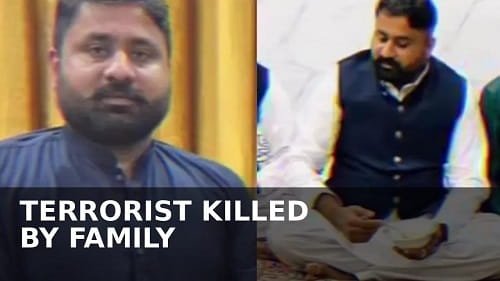
In a shocking and unusual turn of events, Bilal Arif Sarafi, an alleged operative linked to the terror outfit Lashkar-e-Taiba (LeT), was reportedly killed by members of his own family in Pakistan. The incident has drawn attention not only because of Sarafi’s suspected involvement in militancy, but also due to the rare and disturbing nature of the killing.
According to early reports, Sarafi was first stabbed and then shot dead inside his residence. Local sources suggest that the attack was carried out by close family members, although the exact number of people involved and their identities have not been officially disclosed. Authorities in the region have launched an investigation, but details remain limited, as is often the case in sensitive incidents involving militant links.
Background of Bilal Arif Sarafi
Bilal Arif Sarafi was believed to have connections with Lashkar-e-Taiba, a Pakistan-based militant organization that has been linked to several high-profile attacks, including those targeting India. While there is no publicly available detailed dossier on Sarafi’s specific activities, intelligence sources had reportedly been tracking his movements and affiliations for some time.
Individuals associated with such groups often operate in secrecy, making it difficult to verify their exact roles. However, his name surfacing in connection with LeT indicates that he was at least on the radar of security agencies.
What Led to the Killing?
The exact motive behind Sarafi’s killing is still unclear, but initial speculation points toward internal conflict within the family. Some reports hint at ongoing disputes that may have escalated into violence. Others suggest that ideological differences or fear of repercussions due to Sarafi’s alleged militant ties could have played a role.
In regions where militant activities intersect with civilian life, families sometimes face immense pressure—both from within and outside. There have been rare instances in the past where relatives have turned against individuals involved in extremism, either out of fear, disagreement, or attempts to distance themselves from potential consequences.
However, without official confirmation, these remain theories.
Nature of the Attack
What makes this case particularly striking is the brutality involved. Reports indicate that Sarafi was first attacked with a knife before being shot. This suggests a high level of anger or desperation on the part of the attackers.
Such a sequence of violence—stabbing followed by shooting—is uncommon in domestic disputes and may indicate that the attackers wanted to ensure the victim’s death. It also raises questions about whether the act was spontaneous or premeditated.
Police and Investigation Status
Local law enforcement agencies have acknowledged the incident and confirmed that an investigation is underway. However, no formal statement has been released detailing arrests or charges at the time of writing.
Cases involving individuals with alleged militant connections are often handled with caution in Pakistan. Authorities may take time before disclosing full details, especially if there are broader security implications.
Wider Implications
The killing of Bilal Arif Sarafi highlights several underlying issues. First, it reflects the complex dynamics within families when a member is involved in extremist activities. Such situations can create fear, division, and tension that may eventually explode into violence.
Second, it points to the broader challenges Pakistan faces in dealing with militancy within its borders. While the country has taken steps in recent years to curb extremist groups, incidents like this show that the impact of such networks still runs deep in certain areas.
Finally, the case also raises questions about the psychological and social toll on families of individuals linked to terrorism. Living under constant suspicion or threat can push people to extreme actions.
Conclusion
The death of Bilal Arif Sarafi is not just another crime story—it is a glimpse into a complicated and often hidden reality. A man allegedly tied to a militant organization ends up being killed by his own family, turning what might have been a security issue into a deeply personal tragedy.
As investigations continue, more clarity is expected to emerge regarding the motive and circumstances behind the killing. Until then, the incident stands as a stark reminder of how extremism can fracture not just societies, but families as well.

Satyakam is a seasoned professional content writer with over 15 years of experience in creating high-quality, research-driven content for digital platforms. He specialises in business, finance, banking, law, technology, and informational blogs.