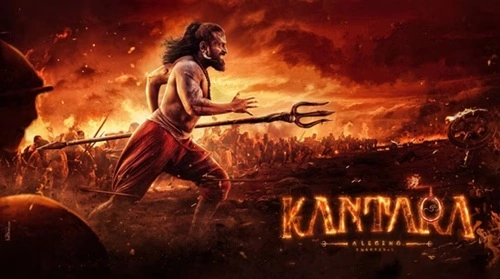
The 2022 Kannada film Kantara, written and directed by Rishab Shetty, became a cultural phenomenon across India. With its powerful storytelling, stunning visuals, and spiritual depth, audiences were left wondering: Is Kantara a real story?
The short answer is — No, Kantara is not a real story, but it is deeply inspired by real traditions, rituals, and folklore from coastal Karnataka. Let’s explore the facts behind this masterpiece.
The Essence of Kantara
Kantara (which means “mystical forest” in Sanskrit) is set in a fictional village in coastal Karnataka. The story revolves around the conflict between man, nature, and faith, blending mythology and local traditions into an intense narrative.
The film follows Shiva (played by Rishab Shetty), a rebellious villager who gets caught in a dispute between forest dwellers and government authorities. The story also explores the spiritual ritual of Bhoota Kola, which becomes the film’s emotional and supernatural centerpiece.
Is It Based on a True Story?
No — Kantara is not based on any specific real-life event or person, but the cultural backdrop and rituals shown in the film are very real.
The Bhoota Kola, a key element in the movie, is a traditional ritual dance performed in the Tulu Nadu region of Karnataka. It is a centuries-old spiritual practice in which performers become possessed by local deities known as Daivas and act as a bridge between gods and villagers.
These rituals are taken very seriously in real life — the performer is considered a divine medium, and the entire community treats the ceremony with deep respect and devotion.
So, while Kantara’s storyline is fictional, its depiction of Bhoota Kola and the villagers’ belief system is highly authentic.
The Mythological and Cultural Inspiration
The film also draws inspiration from local legends and folk beliefs. The idea of a divine protector guarding the land and its people is a recurring theme in South Indian folklore.
In Kantara, the deity known as Panjurli Daiva represents a wild boar spirit — believed to protect the villagers from evil. This is based on real Tulu mythology, where Panjurli is one of the Daivas worshipped by people in Karnataka’s coastal regions.
The conflict between humans and nature, as well as the idea of divine justice, reflects the traditional Indian worldview — that the forest and its spirits must be respected.
Why It Feels So Real
Director Rishab Shetty grew up in the same region and personally witnessed these rituals since childhood. His authentic portrayal of local dialects, customs, and landscapes makes Kantara feel like a documentary at times.
The performances, traditional music, and the depiction of the Kola dance were all created with great accuracy. This attention to detail blurs the line between fiction and reality, making audiences believe that the story could have truly happened.

Santosh Kumar is a Professional SEO and Blogger, With the help of this blog he is trying to share top 10 lists, facts, entertainment news from India and all around the world.