
Living with bone cancer places a significant physical and emotional burden on patients. Persistent pain, reduced mobility, muscle weakness, loss of appetite, and overwhelming fatigue are common challenges during treatment and recovery. These difficulties often worsen when the body is under stress from chemotherapy, radiation therapy, or surgery.
While medical treatment remains the primary focus, nutrition plays a meaningful supportive role. A well-planned diet can help reduce inflammation, support muscle and bone health, and improve energy levels, making it easier for patients to cope with day-to-day discomfort and tiredness.
Understanding Nutrition Needs In Bone Cancer
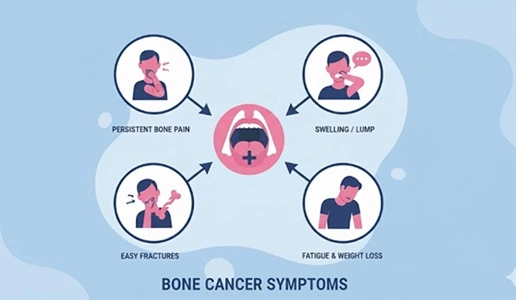
Bone cancer directly affects the skeletal system, but its impact extends throughout the body. Treatments increase the body’s energy requirements while often reducing appetite and nutrient absorption. Many patients experience bone cancer symptoms such as ongoing bone pain, swelling, weakness, unexplained weight loss, and severe fatigue.
Nutrition cannot cure cancer, but it can help the body tolerate treatment better, recover more effectively, and maintain strength. A supportive diet for bone cancer patients should aim to:
- Reduce inflammation that can intensify pain
- Support bone density and muscle strength.
- Prevent weight loss and muscle wasting.
- Maintain steady energy levels.
Key Nutrients That Help Manage Pain And Fatigue
Certain nutrients play a particularly important role in reducing discomfort and improving stamina during bone cancer treatment.
1) Protein For Strength And Healing
Protein is essential for tissue repair, muscle maintenance, and immune support. Inadequate protein intake can worsen weakness and fatigue.
Good protein sources include:
- Dal and lentils
- Paneer and curd
- Eggs
- Soy-based foods such as tofu
- Nuts and seeds in moderate quantities
Including a protein source with every main meal helps maintain muscle strength and supports recovery.
2) Calcium And Vitamin D For Bone Health
Because bone cancer affects bone integrity, calcium and vitamin D are crucial for maintaining bone strength and reducing fracture risk.
Helpful sources include:
- Milk and curd
- Ragi
- Sesame seeds
- Fortified cereals
- Safe sunlight exposure for natural vitamin D
Supplements should only be taken after consulting the treating doctor, especially during active treatment.
3) Anti-Inflammatory Foods To Ease Pain
Chronic inflammation can increase bone and joint pain. Including anti-inflammatory foods may help reduce discomfort over time.
Beneficial options include:
- Turmeric, in small amounts, can be added to food or warm milk
- Ginger is used in cooking or mild teas.
- Fruits such as berries, apples, and papaya
- Green leafy vegetables like spinach and methi
These foods also support immunity and overall healing.
Managing Fatigue With The Right Foods
Cancer-related fatigue differs from normal tiredness and does not always improve with rest alone. Nutrition plays a central role in managing this condition.
Complex Carbohydrates For Sustained Energy
Refined carbohydrates can cause sudden energy crashes. Complex carbohydrates provide steady energy throughout the day.
Better choices include:
- Brown rice
- Whole wheat chapati
- Oats
- Millets such as jowar and bajra
These foods help stabilise blood sugar levels and prevent sudden exhaustion.
Iron-Rich Foods To Reduce Weakness
Low iron levels can worsen fatigue, particularly during chemotherapy.
Include iron-rich foods such as:
- Green leafy vegetables
- Beetroot
- Dates and raisins
- Legumes
Combining these with vitamin C sources, such as lemon or amla, improves iron absorption.
Hydration And Small, Frequent Meals
Dehydration can intensify both pain and fatigue. Many patients unintentionally reduce fluid intake due to low appetite or nausea.
Helpful hydration options include:
- Plain water taken regularly
- Coconut water
- Light vegetable soups and broths
- Mild herbal teas
Instead of three large meals, eating five to six smaller meals helps reduce digestive strain and supports consistent energy levels.
Foods To Limit During Treatment
Certain foods may worsen inflammation or increase discomfort.
It is advisable to limit:
- Deep-fried foods
- Highly processed snacks
- Excess sugar
- Very spicy or oily dishes
These foods can contribute to inflammation, digestive distress, and low energy.
Sample One-Day Diet Plan
Morning
Warm water with a pinch of turmeric
Soaked almonds and walnuts
Breakfast
Vegetable oats or vegetable poha
Milk or a plant-based alternative
Mid-Morning
Fruit bowl with papaya or apple
Lunch
Brown rice or chapati
Dal or paneer curry
Cooked green vegetables
Curd
Evening
Roasted chana or makhana
Herbal tea
Dinner
Light khichdi or vegetable soup
Steamed vegetables
Before Bed
Warm turmeric milk, if tolerated
Medical Monitoring Alongside Nutritional Care
Diet planning should always be coordinated with medical treatment. Regular assessments and imaging help doctors evaluate disease progression and treatment response. Investigations such as a CT scan in Pune are commonly used to assess bone involvement, monitor treatment effectiveness, and guide ongoing care.
Nutritional needs may change based on treatment stage, scan findings, and side effects, making regular review essential.
Emotional Wellbeing And Appetite Support
Pain and fatigue often affect mood and appetite. Gentle encouragement, familiar home-cooked meals, and shared mealtimes can improve both emotional well-being and nutritional intake.
At specialised cancer hospitals such as Onco-Life Cancer Centre, supportive care focuses not only on medical treatment but also on improving daily comfort, strength, and overall quality of life for patients and their families.
Final Thoughts
A thoughtful diet plan can help bone cancer patients manage pain, reduce fatigue, and maintain better strength during treatment. While nutrition cannot replace medical care, it plays a vital supporting role for both the body and the mind. At Onco-Life Cancer Centre, this holistic approach is considered an essential part of patient care.
Small, consistent dietary choices, combined with medical guidance and compassionate support from Onco-Life Cancer Centre, can make a meaningful difference in helping patients feel more comfortable and resilient during their cancer journey.

Santosh Kumar is a Professional SEO and Blogger, With the help of this blog he is trying to share top 10 lists, facts, entertainment news from India and all around the world.