
Bangladesh’s participation in the upcoming ICC T20 World Cup is now in serious doubt after the team refused to travel to India for its matches. The decision, taken by the Bangladesh Cricket Board (BCB), comes after a controversial episode involving star fast bowler Mustafizur Rahman and his sudden exclusion from the Indian Premier League. What began as a franchise-level decision has since grown into a full-scale standoff that could keep Bangladesh out of one of cricket’s biggest tournaments.
This is not a cricketing failure on the field. It is a breakdown driven by trust, safety concerns, and strained relations.
The IPL incident that triggered the crisis
The roots of the issue lie in the IPL. Mustafizur Rahman, one of Bangladesh’s most experienced and internationally respected bowlers, was picked by an IPL franchise ahead of the season. However, shortly after the auction, he was dropped from the squad without any clear public explanation.
The decision caused anger and confusion in Bangladesh. Officials and fans believed the move went beyond cricketing reasons. The lack of transparency and the timing of the decision raised concerns about whether Bangladeshi players were being treated fairly in India’s cricketing ecosystem.
For the BCB, this was not just about one player. It became a question of respect and safety.
Bangladesh’s firm stand
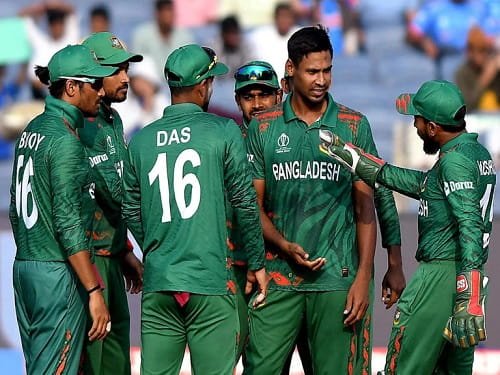
Following the IPL controversy, the Bangladesh Cricket Board took a strong position. The board informed the ICC that Bangladesh would not play its T20 World Cup matches in India. Instead, it requested that its fixtures be shifted to a neutral venue, preferably Sri Lanka, which is also involved in hosting duties.
Bangladesh’s argument was clear. If a senior national player could be sidelined without explanation, then the board could not guarantee that the national team would feel secure and comfortable playing in the same country. The BCB maintained that player well-being must come before tournament obligations.
Government officials in Bangladesh also supported the decision, adding weight to the board’s stance.
ICC’s response and growing tension
The ICC reviewed Bangladesh’s request but refused to change the schedule. The governing body stated that security assessments did not indicate any special risk and that moving matches at a late stage would disrupt tournament planning. The ICC also made it clear that allowing one team to avoid a host country could set a difficult precedent for future events.
Talks between the ICC and the BCB continued for weeks but failed to produce a compromise. Bangladesh proposed alternative options, including partial venue changes or group adjustments, but none were accepted.
Eventually, the ICC issued a clear deadline, asking Bangladesh to confirm participation in India or face the possibility of being replaced.
What this means for Bangladesh
By refusing to travel, Bangladesh has effectively placed itself on the brink of missing the T20 World Cup. If no last-minute agreement is reached, the ICC is expected to invite another qualified team to take Bangladesh’s place.
This would be a historic and painful outcome. Bangladesh has played in every men’s T20 World Cup since the tournament began. Missing the event would deny its players a global stage and disappoint millions of fans who follow the team passionately.
For players like Mustafizur Rahman, the situation is especially bitter. A controversy involving one player has now affected the entire national side.
Reaction from fans and cricket circles
Reactions in Bangladesh are deeply divided. Many fans support the board’s decision, seeing it as a stand for dignity and fair treatment. They believe cricket should not come at the cost of national pride or player security.
Others, however, fear that staying away from a World Cup will harm Bangladesh’s long-term growth. They argue that international exposure is crucial and that disputes should be resolved without sacrificing participation in major tournaments.
In wider cricket circles, the issue has sparked debate about how politics, franchise cricket, and international tournaments intersect — and where lines should be drawn.
Bigger questions for world cricket
The standoff raises uncomfortable questions for global cricket. How much power do domestic leagues have over international relations? What happens when franchise decisions spill into international diplomacy? And how should governing bodies balance logistics with player confidence?
The Bangladesh case may influence how future disputes are handled, especially in tournaments hosted by multiple nations.
Conclusion
Bangladesh’s possible absence from the T20 World Cup is the result of a chain reaction that began with Mustafizur Rahman’s IPL exit and escalated into a larger dispute over trust and treatment. What should have been a celebration of cricket has turned into a confrontation off the field.
Unless there is a dramatic breakthrough, Bangladesh may watch the World Cup from home — not because they failed to qualify, but because they chose to stand their ground. The coming days will decide whether compromise prevails or whether cricket loses one of its most passionate teams on the global stage.

Satyakam is a seasoned professional content writer with over 15 years of experience in creating high-quality, research-driven content for digital platforms. He specialises in business, finance, banking, law, technology, and informational blogs.


