
Compressed air is used across every part of a brewery or distillery. It powers machines, operates valves, and supports the fermentation process. In most cases, it also comes into direct contact with the product. If the air is not clean, the drink will not be either. That is why the choice of compressor plays a critical role in the final outcome.
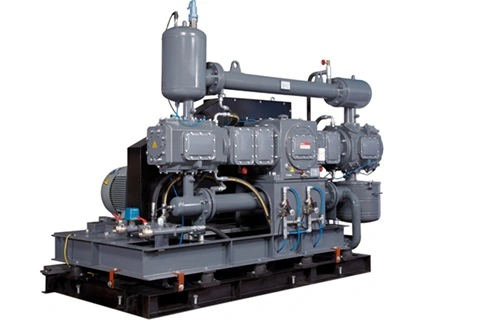
Oil-free compressors are designed to deliver air that contains no trace of oil. Unlike oil-lubricated models, they do not require internal oil to function. This simple difference can have far-reaching effects on hygiene, taste, and cost. Many breweries now see oil-free air as an essential part of their quality assurance process. Let us take a closer look at what makes these systems a better fit for this industry.
Air That Stays Pure from Start to Finish
The biggest risk with oil-lubricated compressors is carryover. Even when filters are used, small oil particles can pass through and enter the air lines. If that air is used for bottling or aeration, the product can be exposed to contamination.
In a brewery or distillery, the damage can be immediate. Oil in the air may affect the yeast during fermentation. It can coat the inside of tanks. It can interfere with sealing equipment or reach the packaging stage. The result is spoiled flavour, safety issues, and costly wastage. Oil-free compressors remove this risk entirely.
Consistency That Customers Can Taste
Most breweries and distilleries operate in batches. They rely on repeatable conditions to ensure that every bottle tastes the same. A slight change in air purity may alter the taste or clarity of a drink. If this happens mid-batch, the entire lot may need to be discarded.
Oil-free air supports a controlled environment. It keeps the process stable and reduces the chances of off-flavours or cloudy finishes. No matter the beverage type [be it is a light beer or a matured spirit], clean air helps preserve the distinct profile of each product. This consistency builds brand trust over time.
Lower Maintenance and Fewer Shutdowns
Oil-free systems do not need oil changes or separator replacements. There is no need to manage oil disposal or track filter saturation levels tied to oil control. This reduces scheduled downtime and extends service intervals.
Leaks, sludge formation, and clogged filters are common problems in oil-lubricated systems. These issues can cause sudden failures or delayed production runs. With oil-free systems, the number of components that can fail is lower. That makes the setup more reliable.
Where the Advantages Are Most Visible
There are specific zones in a brewery or distillery where oil-free air delivers the most benefit:
- Fermentation tanks
Air used to oxygenate the yeast must be free from oil to avoid yeast stress and flavour shifts
- Bottle and can filling machines
Clean air ensures that pressure fills, sealing, and capping occur without contamination
- Valves and pneumatic controls
These systems respond better to clean air and suffer less wear without oil particles
- Tank cleaning and purging
Air used in cleaning lines or removing residue must not introduce oil back into the system
Each of these steps can affect the final product. That is why more producers now treat air quality as a core production factor, not just a utility.
Operational Savings over Time
Buying an oil-free compressor requires a significant investment. However, when you consider the years of operation that follow, the entire balance shifts. The latent savings often outweigh the upfront difference. The most noticeable savings appear in four areas:
- Energy use: With no heavy filters in the line, airflow moves with less resistance. The system wastes less power and keeps pressure stable.
- Maintenance effort: Oil-free units do not require oil changes or constant filter replacements. That means fewer spare parts, fewer service calls, and less downtime.
- Product protection: Clean air reduces the chance of spoilage. Every batch that reaches the customer intact adds to long-term value.
- Equipment life: Tanks, pipes, and valves remain cleaner inside. They resist wear and continue to perform well for longer periods.
The results are not instant. They gather slowly, year after year, until the overall cost of ownership becomes much lower than expected.
Planning for the Future of Clean Production
Food and beverage standards upgrade every year with particular rules, more frequent inspections, and stronger consumer expectations. Customers now expect not only a good product but also proof of safety and consistency.
Breweries and distilleries that commit to oil-free systems place themselves ahead of this curve. They reduce the risk of failing future audits and avoid the scramble of last-minute upgrades. More importantly, they can expand with confidence into new markets, both local and international, where clean air is not an option but a requirement.
They will also find it easier to scale operations, export to new markets, or adopt more advanced process automation. A clean air system provides flexibility as well as safety.
Conclusion
An oil-free compressor protects product quality, minimises maintenance effort, and improves overall process control. The tool significantly enhances the confidence of breweries and distilleries in the long run. If you are looking to improve air quality in your plant, Chicago Pneumatic Compressors provides oil-free systems designed for the food and beverage sector.

Santosh Kumar is a Professional SEO and Blogger, With the help of this blog he is trying to share top 10 lists, facts, entertainment news from India and all around the world.